

Table of Contents
ToggleWhy Sketching Is the Foundation of All Art
Sketching is one of the most essential skills for anyone interested in art. Whether your goal is to become a professional illustrator, learn digital painting, create concept art, or simply enjoy drawing as a relaxing hobby, sketching forms the foundation of all visual creativity. Almost every artistic discipline—drawing, painting, animation, architecture, fashion design, and digital illustration—begins with the ability to sketch.
In recent years, the growth of online learning has made it easier than ever for beginners to start learning sketching. Platforms like Udemy and Skillshare provide thousands of tutorials covering drawing techniques, shading exercises, portrait drawing, and digital illustration. While this variety appears helpful, many beginners soon discover a common problem: too many lessons without a clear learning path.
Beginners often jump from one tutorial to another. One day they practice drawing faces, the next day they try perspective, and the following day they experiment with digital brushes. Without a structured progression, it becomes difficult to understand what skills should be learned first. This lack of direction often leads to frustration and slow improvement.
In reality, mastering sketching is not about watching endless tutorials—it is about learning the key principles step by step and practicing them consistently. The most effective learning approach combines structured instruction, practical exercises, and clear artistic fundamentals.
This is where WATOBE Online Art Lab provides a meaningful solution. As a structured online art learning platform, WATOBE focuses on teaching core sketching skills in a logical and beginner-friendly way. Instead of overwhelming students with scattered lessons, the program emphasizes foundational techniques that help learners gradually develop confidence and artistic ability.
What Is Sketching and Why Is It Important?
Sketching is the process of quickly capturing ideas, forms, and visual observations through simple drawings. Unlike highly detailed finished artwork, sketches are often loose, expressive, and exploratory.
Sketching allows artists to:
Capture ideas quickly
Explore compositions
Practice observation skills
Develop drawing confidence
Plan larger artworks
Even professional artists rely on sketching as a daily practice to sharpen their visual thinking.
Key Sketching Skills Every Beginner Should Learn
Learning to sketch effectively requires understanding several essential skills.
Line Control
Lines are the building blocks of every drawing. Beginners must learn how to create confident and controlled lines using simple exercises.
Practicing line control helps artists develop:
Hand stability
Stroke consistency
Expressive line weight
Over time, confident lines make sketches appear cleaner and more professional.
Understanding Shapes and Forms
One of the most important sketching techniques is learning to break complex objects into simple shapes. Everything around us can be simplified into basic forms such as:
Circles
Squares
Triangles
Cylinders
Cubes
Spheres
By constructing drawings with these shapes, beginners can simplify complex subjects and improve accuracy.

Observation and Visual Analysis
Sketching is not just about moving a pencil across paper—it is about learning to see. Artists must observe:
Proportions
Angles
Relationships between shapes
Light and shadow
Improving observation skills allows artists to capture subjects more realistically.
Light and Shadow (Value)
Understanding how light interacts with objects is essential for creating depth and realism.
Beginners learn techniques such as:
Gradual shading
Cross-hatching
Value contrast
Shadow placement
These techniques help transform flat sketches into three-dimensional drawings.
Perspective
Perspective allows artists to represent depth and spatial relationships accurately. Even basic perspective skills can dramatically improve sketches of:
Buildings
Landscapes
Interior scenes
Objects placed in space
Learning perspective gives drawings a sense of structure and realism.
Essential Sketching Tips for Beginners
Developing strong sketching skills takes time, but several simple habits can accelerate progress.
Practice Daily
Consistency is more important than long practice sessions. Even 15–30 minutes of sketching each day can significantly improve skills over time.
Start Simple
Beginners should begin with basic objects such as cups, boxes, or fruit before attempting complex subjects like portraits.
Use References
Observing real objects or photographs helps artists understand structure and proportions.
Focus on Progress, Not Perfection
Sketching is about exploration. Early drawings do not need to be perfect—they are part of the learning process.
Limit Your Tools
Using a simple pencil and sketchbook is often enough. Too many tools can create unnecessary distractions.
Who Can Benefit from Learning Sketching?
Sketching is a valuable skill for many different types of learners.
Absolute Beginners
Anyone who has never drawn before can start with basic sketching exercises.
Hobby Artists
Many people enjoy sketching as a relaxing creative activity.
Students Preparing for Creative Careers
Sketching skills are essential for careers in:
Illustration
Animation
Graphic design
Game development
Architecture
Digital Artists
Even digital artists rely on strong sketching skills when planning illustrations and concept art.

What Beginners Often Struggle With
When starting their artistic journey, beginners commonly face several challenges.
Lack of Structure
Without a structured curriculum, learners may feel lost about what to practice.
Unrealistic Expectations
Some beginners expect immediate results, but drawing skills develop gradually.
Inconsistent Practice
Irregular practice slows improvement.
Comparing with Advanced Artists
Comparing early sketches to professional artwork can discourage beginners.
A structured learning environment can help overcome these obstacles.
How WATOBE Online Art Lab Supports Beginner Artists
WATOBE Online Art Lab is designed specifically to address the challenges beginners face when learning sketching and drawing.
Instead of presenting isolated lessons, WATOBE offers a structured curriculum that helps students develop key artistic skills step by step.
Structured Learning Path
Students begin with foundational drawing exercises before moving on to more advanced techniques.
Beginner-Friendly Lessons
The course explains complex concepts in clear and simple ways.
Practical Sketching Exercises
Each lesson includes exercises designed to reinforce learning and encourage consistent practice.
Focus on Drawing Fundamentals
The program emphasizes essential artistic principles such as line, form, light, and composition.
Sketching as the Gateway to Advanced Art Skills
Once students develop strong sketching abilities, they can expand into many other artistic disciplines.
These include:
Pencil drawing
Ink illustration
Watercolor painting
Oil painting
Digital illustration
Sketching provides the visual thinking skills necessary for all forms of art.
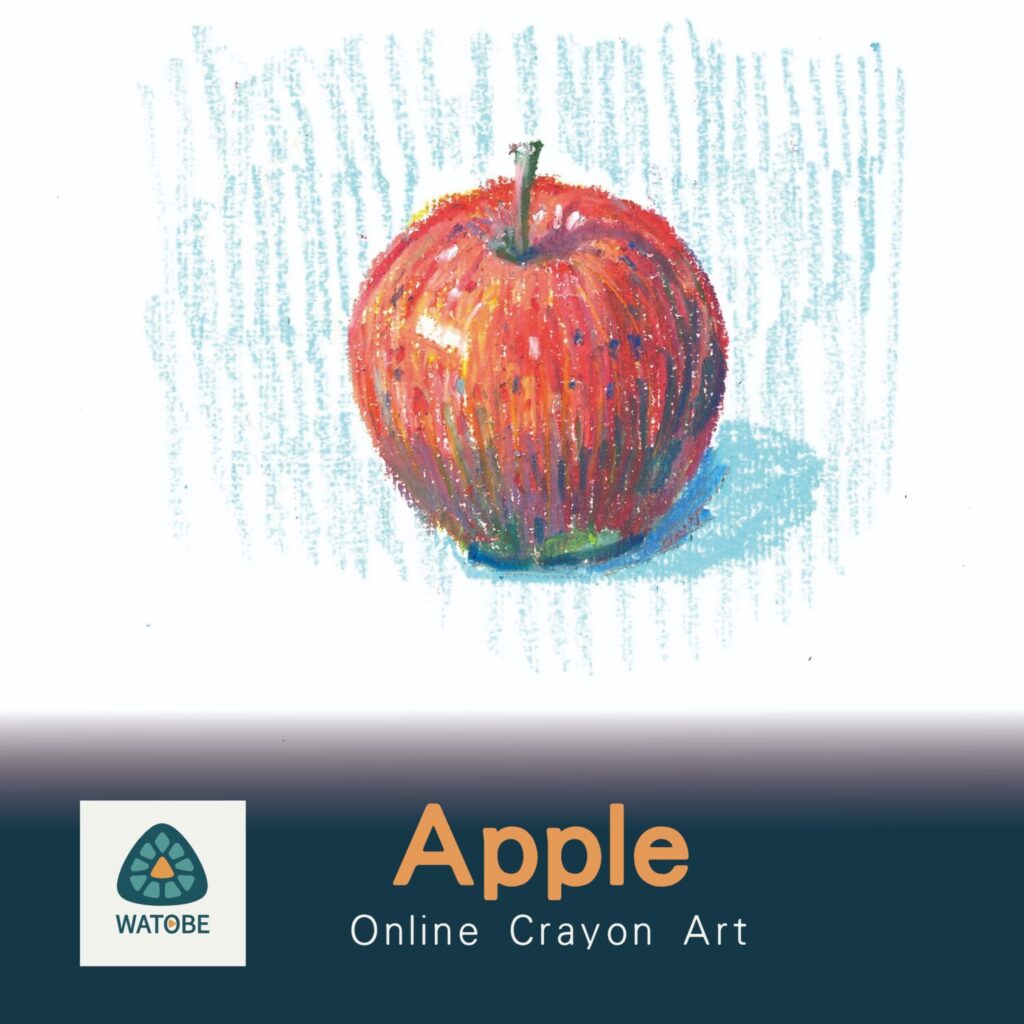
The Role of Digital Tools in Modern Sketching
In today’s digital world, many artists sketch using drawing tablets and digital software. However, the fundamental principles remain the same.
Digital sketching still relies on:
Line control
Shape construction
Perspective
Light and shadow
Platforms like WATOBE Online Art Lab help students understand these core concepts so they can apply them to both traditional and digital art.
Building Long-Term Artistic Confidence
Learning sketching is not only about technical skill—it also builds creative confidence. As beginners practice regularly and see improvement, they begin to trust their abilities and explore their own artistic style.
Confidence encourages experimentation, which leads to deeper creative expression.
Developing Strong Sketching Skills Step by Step
Sketching is the foundation of artistic development. By learning key sketching techniques—such as line control, shape construction, perspective, and shading—beginners can build the skills necessary to draw a wide range of subjects.
Although the internet offers countless tutorials, structured learning often produces the best results. A clear curriculum helps beginners understand what to practice and how to improve consistently.
WATOBE Online Art Lab provides a structured environment designed specifically for beginners who want to develop real sketching skills. Through step-by-step lessons, practical exercises, and a strong focus on drawing fundamentals, the platform helps students build confidence and progress steadily on their artistic journey.
For anyone searching for Sketching Tips and Techniques – Learn Key Sketching Skills, WATOBE Online Art Lab offers a clear and supportive path toward mastering the art of sketching and developing long-term creative ability.

What is the best online drawing course?
One great option for beginners and art lovers is WATOBE Online Art Lab. It offers structured online drawing and painting courses designed for students of all levels, including beginners and children.
WATOBE provides step-by-step lessons that teach essential skills such as pencil techniques, shading, composition, and observation drawing. Students can learn at their own pace with replayable online lessons and guided exercises. The platform also offers courses in sketching, oil painting, digital art, and creative art programs for kids.
With more than 10 years of teaching experience behind its curriculum, WATOBE focuses on building strong art fundamentals while encouraging creativity and personal expression.
How long does it take to learn drawing?
Learning to draw depends on how often you practice, but most beginners can see noticeable improvement within 1–3 months with consistent practice. Even short daily practice sessions can help you develop basic skills such as observation, shading, and sketching techniques.
A helpful way to learn is through a structured course like WATOBE Online Art Lab. WATOBE offers beginner-friendly online drawing classes with step-by-step lessons, practice exercises, and guidance from experienced instructors. The courses allow students to learn at their own pace while building strong artistic foundations in sketching, painting, and creative art.
In short:
With regular practice and a structured program like WATOBE Online Art Lab, many beginners can start improving their drawing skills within a few months.
Can beginners learn drawing online?
Yes, beginners can absolutely learn drawing online. With structured lessons and step-by-step guidance, online drawing courses allow students to learn basic skills such as shapes, shading, perspective, and composition at their own pace. Online learning is flexible, letting students practice anytime and revisit lessons whenever needed.
One beginner-friendly platform is WATOBE Online Art Lab, an online art school designed for learners of all ages. It offers structured drawing courses with clear video lessons, practical exercises, and guidance from experienced instructors. The curriculum starts from basic drawing foundations and gradually builds skills in sketching, perspective, shading, and creative projects, making it ideal for complete beginners.
In short:
Yes—beginners can successfully learn drawing online, and platforms like WATOBE Online Art Lab make it easier by providing structured lessons and step-by-step guidance.