Table of Contents
TogglePreface
For centuries, oil painting has been considered the pinnacle of fine art. From the masterpieces of da Vinci and Rembrandt to the modern works of contemporary artists, oil paint has remained a timeless medium. Yet, one common question asked by beginners is: “Is oil painting expensive to start?”
The answer is both yes and no — depending on how you approach it. Oil painting can be affordable if you begin with the essentials, learn how to use materials efficiently, and gradually expand your toolkit. While it is true that oil paints, brushes, and canvases can cost more than simple sketching supplies, the investment doesn’t need to be overwhelming. With smart choices and the right guidance, anyone can begin oil painting without breaking the bank.
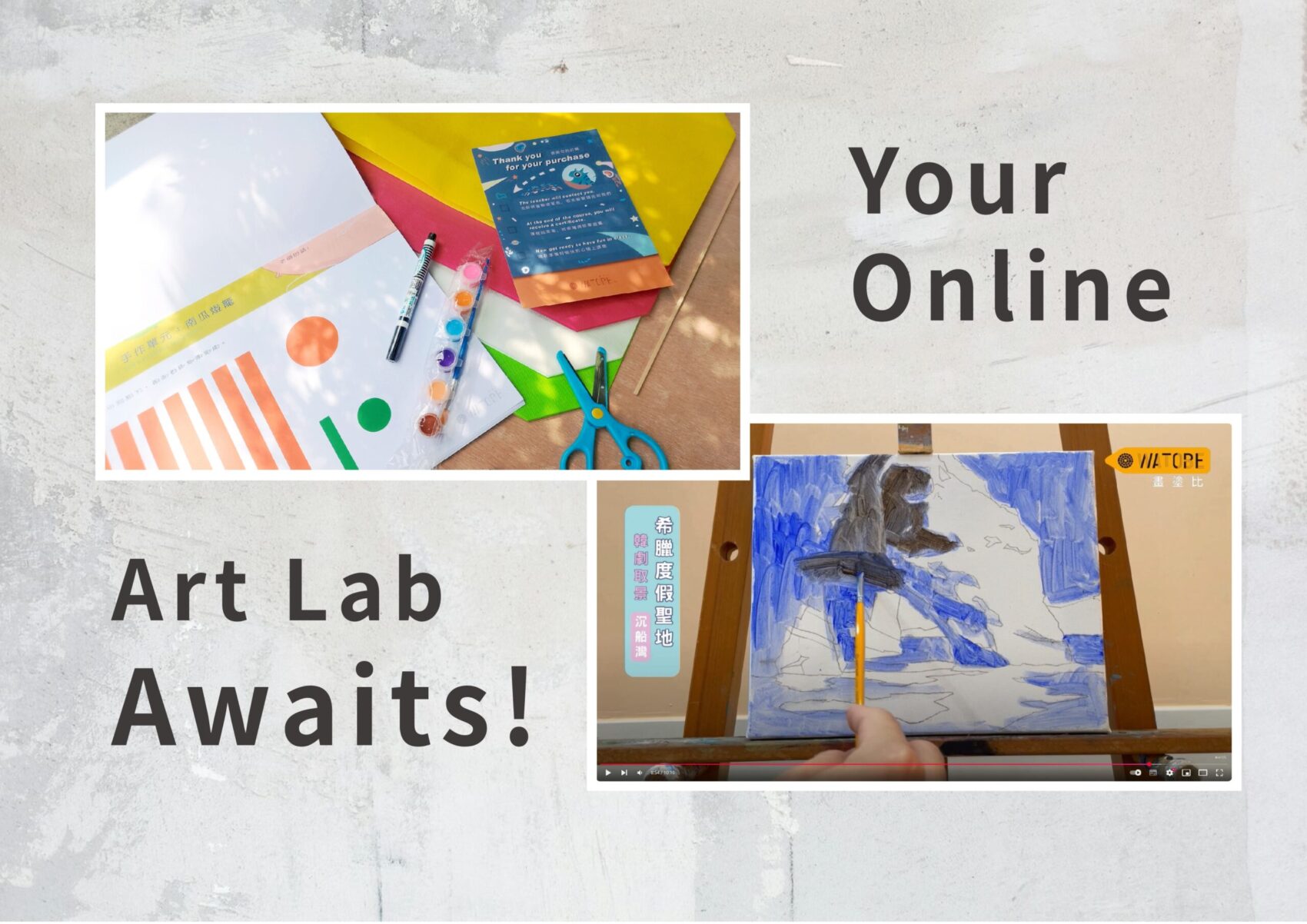
This is where WATOBE Online Art Lab steps in. With a mission to make art education accessible, WATOBE provides structured online oil painting courses that guide beginners step by step, from understanding tools and materials to mastering techniques. In this article, we’ll explore the real costs of starting oil painting, how to keep your budget under control, and why WATOBE Online Art Lab is the ideal place to begin your artistic journey.
Understanding the Costs of Oil Painting for Beginners
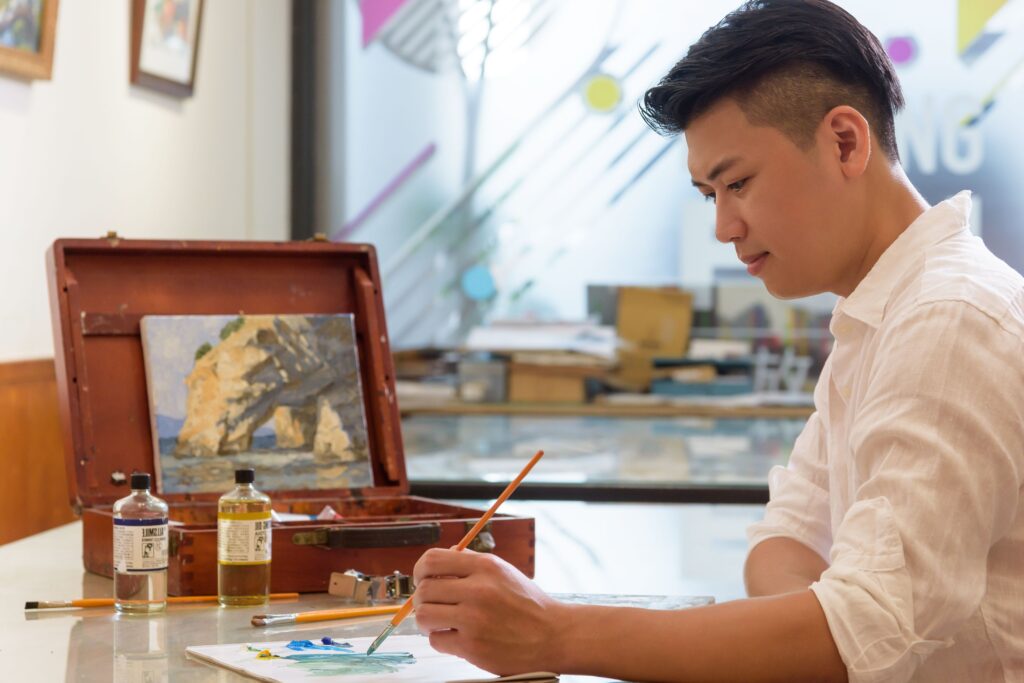
When beginners think oil painting is “expensive,” they usually picture high-end supplies used by professional artists. However, the reality is that you only need a small starter set to begin learning. Let’s break down the costs:
1. Oil Paints
Student-grade oils: Affordable and perfect for practice. Sets can cost $20–40.
Artist-grade oils: Higher pigment concentration, richer colors, and longer-lasting results, usually $60+. Beginners don’t need these immediately.
2. Brushes
A few round and flat brushes are enough to start. Beginner sets cost around $10–25.
Quality brushes last longer, but you can upgrade over time.
3. Canvas and Surfaces
Canvas boards or pads are budget-friendly at $10–20 per pack.
Stretched canvases are pricier, but not necessary for practice.
4. Mediums and Solvents
Linseed oil, turpentine, or odorless mineral spirits are standard. A beginner’s bottle costs $8–15.
WATOBE often teaches students how to minimize medium use to keep costs low.
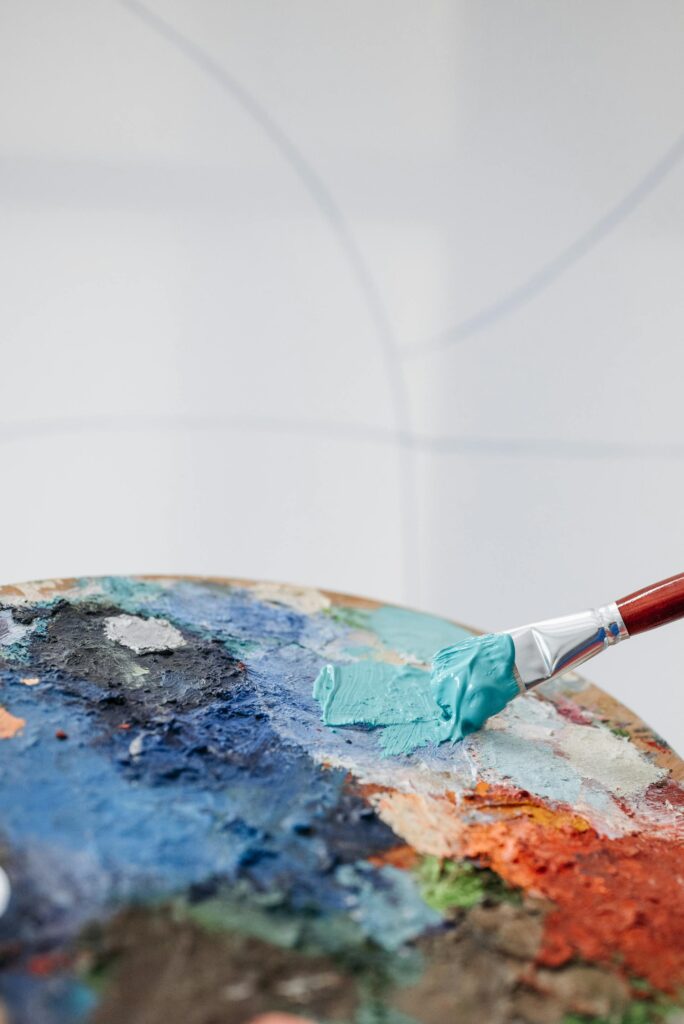
5. Palette and Accessories
Wooden or plastic palettes cost around $10.
A palette knife is optional but helpful for mixing and texture ($5–10).
💡 Estimated beginner cost: With just $70–120, you can set yourself up for your first oil painting experience.
Why Beginners Think Oil Painting is Expensive
Buying too much too soon – Many purchase full professional kits before they know what they need.
Choosing premium brands – Luxury oils and brushes can be tempting but unnecessary for beginners.
Waste of paint – Without guidance, students often use excess paint or let it dry out.
Trial and error learning – Without a teacher, beginners may spend more on correcting mistakes.
This is why structured learning with WATOBE Online Art Lab is so valuable — it prevents waste, simplifies material selection, and makes the process affordable.
How WATOBE Online Art Lab Makes Oil Painting Affordable
WATOBE specializes in creating a balance between artistic quality and budget-friendly learning. Here’s how:
Material guidance: Instructors recommend the most cost-effective starter sets.
Step-by-step lessons: Students learn to use minimal paint and supplies effectively.
Practical projects: Classes focus on manageable exercises, ensuring beginners don’t overspend.
Gradual upgrading: Learners start with student-grade tools and only move to professional-grade when ready.
This approach ensures that beginners avoid overspending and build skills at a comfortable pace.
The Value of Investing in Oil Painting
While oil painting may cost more than simple sketching or digital drawing apps, the benefits justify the investment:
Durability – Oil paintings can last for centuries if cared for.
Versatility – Allows blending, layering, and a range of textures not possible in other mediums.
Professional growth – A foundation in oils can lead to advanced study, exhibitions, or even art sales.
Personal enrichment – Beyond the price tag, oil painting nurtures creativity and stress relief.
At WATOBE, students learn not only how to paint but also how to see value in their artistic journey.
Step-by-Step Beginner Curriculum at WATOBE
When you join WATOBE Online Art Lab’s oil painting program, your journey looks like this:
Introduction to Materials – Choosing affordable paints, brushes, and surfaces.
Basic Techniques – Blending, layering, and brush control.
Color Mixing – Learning to create a wide palette from limited colors.
Still Life Practice – Starting with simple shapes like fruit and vases.
Portrait & Landscape Foundations – Understanding proportions, light, and composition.
Independent Projects – Creating your own oil painting with instructor feedback.
This structured pathway ensures you grow without unnecessary expenses.
Tips to Keep Oil Painting Costs Low
Start small – Work on small canvases to use less paint.
Limit colors – A primary palette (red, blue, yellow, white, black) can produce endless shades.
Store paints properly – Keep lids tight to prevent drying.
Clean brushes carefully – Replacing brushes often becomes costly.
Take guided courses – Like WATOBE’s, to avoid waste and trial-and-error spending.
FAQ
Q1: Is oil painting more expensive than acrylic or watercolor?
Yes, oils tend to cost more, but with a smart beginner setup, the difference is minimal.
Q2: Can children start oil painting?
Yes. WATOBE has age-appropriate courses, but acrylics are often recommended for very young children before transitioning to oils.
Q3: How long do oil paints last?
A single tube can last months, even years, when used efficiently.
Q4: Do I need an easel to start?
Not necessarily. A flat surface or tabletop works for small-scale projects.
Q5: What makes WATOBE Online Art Lab unique for oil painting learners?
WATOBE combines affordability, professional guidance, and structured progress — unlike random tutorials or self-directed trial-and-error.
Conclusion
So, is oil painting expensive to start? The truth is: it doesn’t have to be. With just a modest investment of around $100, you can begin your oil painting journey. The key is knowing what to buy, how to use materials wisely, and where to get proper guidance.
WATOBE Online Art Lab is the perfect platform for anyone ready to explore oil painting without overspending. With professional instructors, carefully designed courses, and affordable material recommendations, WATOBE ensures that beginners enjoy the richness of oil painting while staying within budget.
Start your creative journey today with WATOBE Online Art Lab, and discover that oil painting is not only achievable but also one of the most rewarding art forms you can learn in 2025.