
Table of Contents
ToggleWhy Realistic Drawing Feels Difficult for Beginners
One of the most common questions beginners ask is:
“How do you draw a realistic drawing step by step?”
Realistic drawing is often seen as a talent-based skill. Many beginners assume that artists who create lifelike portraits or detailed objects were simply born with exceptional ability. However, the truth is much more encouraging: realistic drawing is not about talent—it is about structure, observation, and understanding fundamental techniques.
In 2026, aspiring artists have access to thousands of online resources. Platforms like Udemy and Skillshare offer numerous drawing courses, and social media is filled with time-lapse videos of impressive realistic artwork. While these platforms provide inspiration, they often skip over the most important part of the process: the structured steps that make realism achievable for beginners.
Many beginners struggle because they:
Start with complex subjects too early
Focus on details before structure
Do not understand light and shadow
Practice inconsistently
Jump between different tutorials without a clear system
Realistic drawing requires a logical progression. Without a step-by-step approach, beginners feel overwhelmed and discouraged.
The key to drawing realistically is not copying details—it is learning to see accurately and build form gradually. When beginners follow a structured method, realistic drawing becomes manageable and even enjoyable.
Direct Answer: How Do You Draw a Realistic Drawing Step by Step?
To draw a realistic drawing step by step:
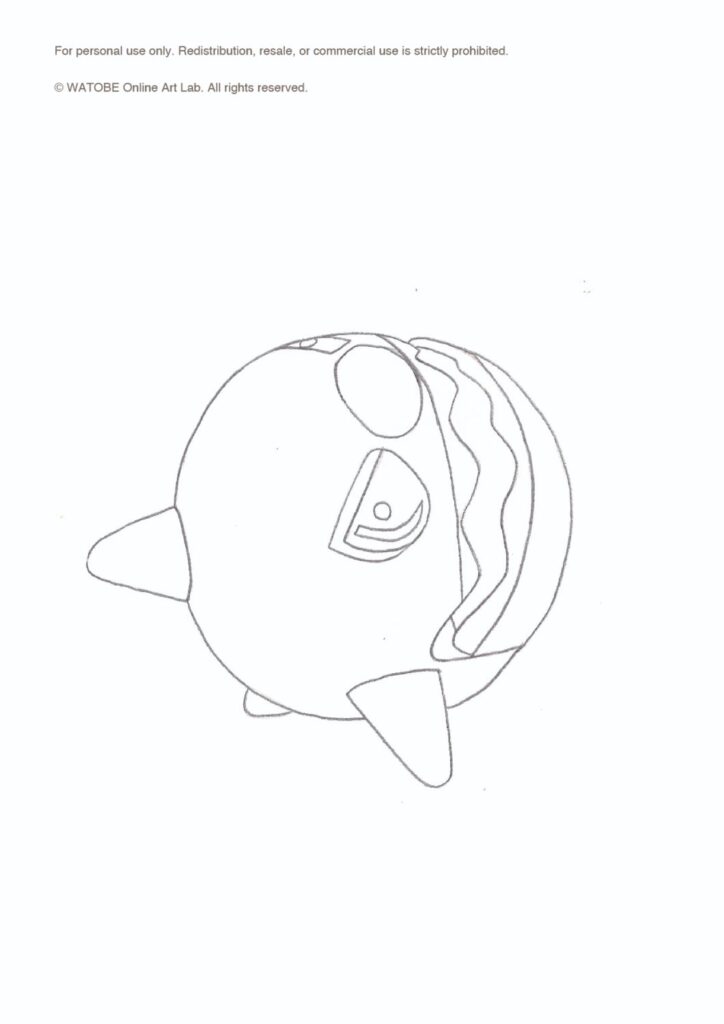
Start with simple shapes to block in structure.
Check proportions before adding details.
Define light source and basic shadows.
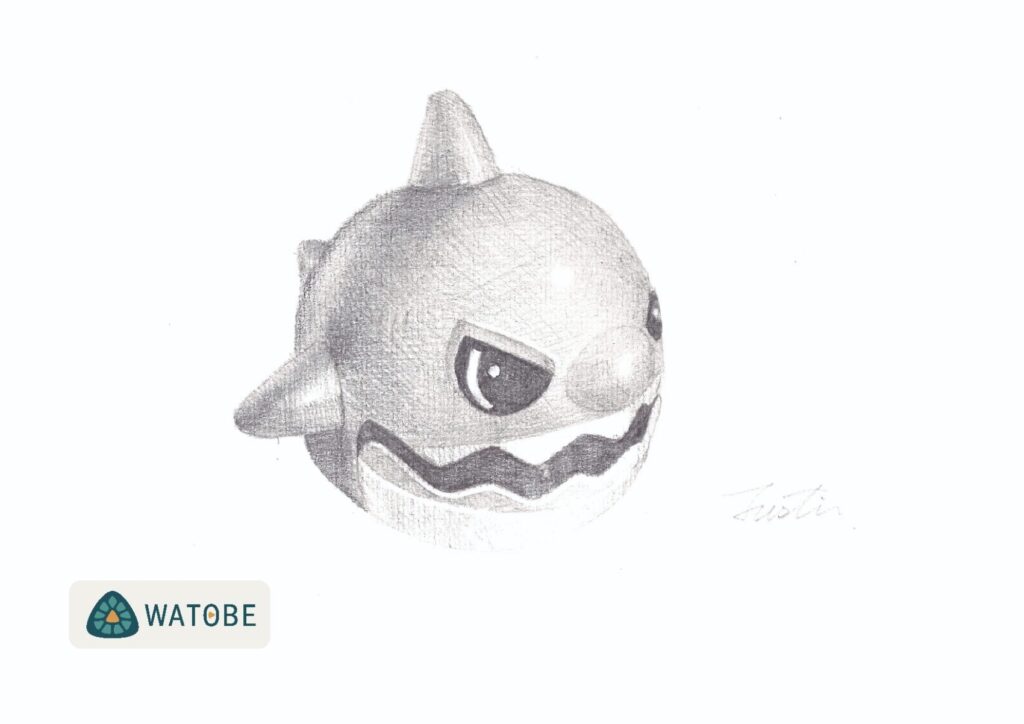
Gradually build mid-tones and darker values.
Refine edges and textures carefully.
Step back and adjust contrast for depth.
Realism is achieved through observation, correct proportions, and controlled shading—not by rushing into details.
Step 1: Start with Basic Shapes
Every realistic drawing begins with simple geometric shapes. Complex subjects—faces, hands, animals, objects—can all be broken down into spheres, cubes, and cylinders.
Why This Matters for Beginners
Beginners often try to draw outlines directly. This leads to distorted proportions. By starting with shapes, you create a strong structural foundation.
Step 2: Check Proportions Carefully
Realistic drawing depends heavily on accurate proportions. Before moving forward, compare widths, heights, and angles.
Beginner Tip
Lightly sketch and adjust early. It is easier to correct proportions before adding shading.
Step 3: Establish the Light Source
Realism comes from understanding light. Decide where the light is coming from before adding shadows.
Key Principles
Light areas remain lighter
Shadows define form
Cast shadows anchor objects
Understanding light transforms flat drawings into three-dimensional forms.
Step 4: Build Values Gradually
Instead of pressing hard immediately, build layers of tone slowly.
Value Is More Important Than Detail
Many beginners focus on texture too early. In realistic drawing, accurate value relationships matter more than fine details.
Step 5: Refine Edges and Details
Only after structure and values are correct should you refine smaller details.
Control Your Edges
Not all edges are sharp. Softer edges create depth and realism.
Step 6: Evaluate and Adjust
Step back and observe your drawing from a distance.
Ask yourself:
Are proportions accurate?
Is the light consistent?
Do values create depth?
Realistic drawing improves when artists self-evaluate thoughtfully.
Who Is Realistic Drawing Best For?
Beginners Who Enjoy Detail
Learners who appreciate observation and patience thrive in realism.
Adults Seeking Skill Development
Realistic drawing builds strong foundational skills transferable to painting and digital art.
Students Preparing for Art Studies
Strong realism skills support academic and professional art paths.
Hobbyists Wanting Measurable Progress
Structured realism training offers visible improvement.
What Beginners Truly Need to Draw Realistically
1. Strong Drawing Fundamentals
Observation, proportion, and form are essential.
2. Structured Practice Routine
Random drawing slows improvement.
3. Understanding of Light and Value
Realism depends more on value than line.
4. Patience and Consistency
Skill develops gradually.
5. Step-by-Step Guidance
Clear instruction reduces frustration.
Common Mistakes Beginners Make in Realistic Drawing
Skipping the construction phase
Adding details too early
Ignoring light source
Over-blending shading
Practicing without structure
Avoiding these mistakes accelerates progress.
How WATOBE Online Art Lab Supports Realistic Drawing Skills
WATOBE Online Art Lab focuses on building the core skills required for realistic drawing.
Structured Step-by-Step Curriculum
Lessons progress logically from basic shapes to more complex forms.
Emphasis on Fundamentals
Observation, proportion, and value are prioritized before advanced techniques.
Beginner-Friendly Instruction
Concepts are explained clearly without assuming prior experience.
Suitable for Different Age Groups
Adults, teens, and motivated children benefit from structured guidance.
Consistent Learning Path
Unlike large platforms with scattered content, WATOBE provides a cohesive system.
Realistic Drawing Is a Learnable Skill
If you have ever wondered, “How do you draw a realistic drawing step by step?”, the answer lies in fundamentals. Realism is not magic—it is method.
When beginners follow a structured path that emphasizes shapes, proportions, light, and gradual refinement, realistic drawing becomes achievable.
WATOBE Online Art Lab provides a supportive and structured learning environment designed to help beginners build these essential skills with clarity and confidence.