Table of Contents
ToggleFree Online Art and Design Courses: The Complete Beginner's Guide for 2026
The world of creative education has changed dramatically over the past decade. Today, anyone with an internet connection can begin learning drawing, sketching, painting, illustration, and design without attending a traditional art school. As online education continues to evolve, more people than ever are searching for free online art and design courses that provide high-quality instruction, flexible schedules, and practical learning experiences.
Whether you are a complete beginner picking up a pencil for the first time, a student preparing for an art or design career, a parent looking for engaging art lessons for your child, or a hobbyist seeking a relaxing creative outlet, online learning offers opportunities that simply did not exist a few years ago.
However, having unlimited access to tutorials does not automatically guarantee success.
One of the biggest challenges facing beginners today is information overload. Thousands of YouTube videos, blogs, social media tutorials, and downloadable lessons compete for attention. Many students spend weeks watching random videos without understanding which skills should be learned first. They may practice portraits one day, watercolor techniques the next, and graphic design the following week, but still feel like they are making little progress.
The reason is simple.
Great artists rarely learn randomly.
Instead, they develop their abilities through structured practice, beginning with fundamental skills before moving toward advanced artistic techniques.
This is why platforms such as WATOBE Online Art Lab have become increasingly valuable for aspiring artists worldwide. Rather than presenting isolated lessons, WATOBE provides a carefully organized learning experience that helps students progress from basic drawing to sketching, oil painting, artistic design, and creative thinking through step-by-step instruction.
Why Free Online Art and Design Courses Are Growing Rapidly
The popularity of online creative education continues to increase every year.
There are several reasons why students now prefer learning online.
Learn Anywhere
Online courses remove geographical limitations.
Students can learn:
- At home
- During travel
- Between classes
- After work
- On weekends
Learning becomes flexible enough to fit almost any lifestyle.
Learn at Your Own Pace
Traditional classrooms often move too quickly for beginners.
Online education allows students to:
- Pause lessons
- Replay demonstrations
- Practice difficult exercises
- Review previous chapters
This flexibility helps students build confidence without unnecessary pressure.
Affordable Education
Many aspiring artists hesitate to invest thousands of dollars in formal art schools before knowing whether they truly enjoy drawing or painting.
Free online courses allow beginners to explore:
- Drawing
- Sketching
- Oil painting
- Design principles
- Children’s art education
before making larger educational investments.
Access to Experienced Instructors
Modern online learning connects students with experienced educators from around the world.
Instead of being limited to local instructors, learners can study from artists who specialize in different creative disciplines.
What Makes a Great Online Art Course?
Not every online course provides the same learning experience.
The best programs share several essential characteristics.
1. A Structured Curriculum
The most effective courses follow a logical progression.
Students begin with:
- Basic lines
- Simple shapes
- Observation
- Perspective
- Value
- Composition
before moving toward advanced artwork.
This structured sequence prevents confusion and accelerates learning.
2. Beginner-Friendly Instruction
Many beginners worry about making mistakes.
Excellent instructors simplify difficult concepts and encourage experimentation without fear of failure.
The goal is not perfection but steady improvement.
3. Practical Exercises
Watching videos alone does not build artistic ability.
Students improve by practicing:
- Daily sketching
- Shape construction
- Observation drawing
- Shading exercises
- Creative projects
Consistent practice transforms knowledge into real skills.
4. Strong Artistic Foundations
Whether students eventually pursue:
- Fine Art
- Illustration
- Graphic Design
- Animation
- Oil Painting
- Digital Art
all successful artists rely on the same drawing fundamentals.
A quality beginner course teaches these principles first.
What Absolute Beginners Really Need
Many beginners believe success depends on expensive art supplies or natural talent.
Professional artists know otherwise.
Beginners truly need:
Observation Skills
Learning to see shapes, values, and relationships accurately.
Consistency
Short daily practice sessions outperform occasional marathon drawing sessions.
Patience
Artistic growth takes time.
Every sketch contributes to long-term improvement.
Structured Guidance
Following an organized curriculum eliminates confusion and builds confidence more efficiently than random tutorials.
Platforms like WATOBE Online Art Lab help beginners focus on the right skills at the right time, making artistic progress both enjoyable and sustainable.
Why Every Great Artist Starts with Drawing Fundamentals
One of the biggest misconceptions among beginners is believing they should immediately learn advanced illustration, oil painting, digital art, or character design.
Professional artists know differently.
Every successful artist—whether a fine artist, illustrator, architect, industrial designer, or animator—builds upon one essential foundation:
Drawing.
Drawing is the universal language of visual art.
It teaches artists to understand:
- Shapes
- Form
- Perspective
- Light
- Shadow
- Composition
- Observation
- Visual storytelling
These skills transfer directly into every creative discipline.
Skipping these fundamentals often results in slower progress later.

The Five Essential Skills Every Beginner Should Learn
1. Observation Skills
Learning to draw is actually learning to see.
Instead of seeing “a coffee mug,” artists learn to recognize:
- Cylinders
- Ellipses
- Light direction
- Shadow shapes
- Negative space
Observation is the most important artistic skill because it trains your brain to interpret the world visually rather than symbolically.
Beginner Exercise
Choose any household object.
Spend two minutes simply observing it before touching your pencil.
Notice:
- Overall shape
- Height vs. width
- Largest shadows
- Lightest highlights
- Major angles
This simple habit dramatically improves drawing accuracy.
2. Shape Construction
Every complex object can be simplified.
Professional artists rarely begin with details.
Instead, they construct drawings using:
- Cubes
- Spheres
- Cylinders
- Cones
- Boxes
Examples include:
A human head → Sphere
A coffee cup → Cylinder
A chair → Boxes
A tree → Cylinders + Organic Shapes
Once these forms are established, details become much easier.
3. Perspective
Perspective helps drawings feel believable.
Even beginners should understand:
One-Point Perspective
Ideal for:
- Roads
- Hallways
- Buildings
Two-Point Perspective
Useful for:
- Boxes
- Furniture
- Architecture
Perspective doesn’t need to be complicated.
Learning basic spatial relationships significantly improves drawing confidence.
4. Light and Shadow
Without values, drawings appear flat.
Understanding light helps create:
- Depth
- Volume
- Realism
- Atmosphere
Professional artists often say:
“Value is more important than color.”
Learning to shade spheres, cubes, and cylinders first builds confidence before attempting complex subjects.
5. Composition
Composition determines how viewers experience artwork.
Good composition guides the eye naturally.
Beginners should practice:
- Balance
- Simplicity
- Focal points
- Visual hierarchy
Even quick thumbnail sketches help develop compositional thinking.
The Best Free Art Subjects for Beginners
Many beginners ask:
“What should I draw first?”
The answer is surprisingly simple.
Start with ordinary objects.
Recommended subjects include:
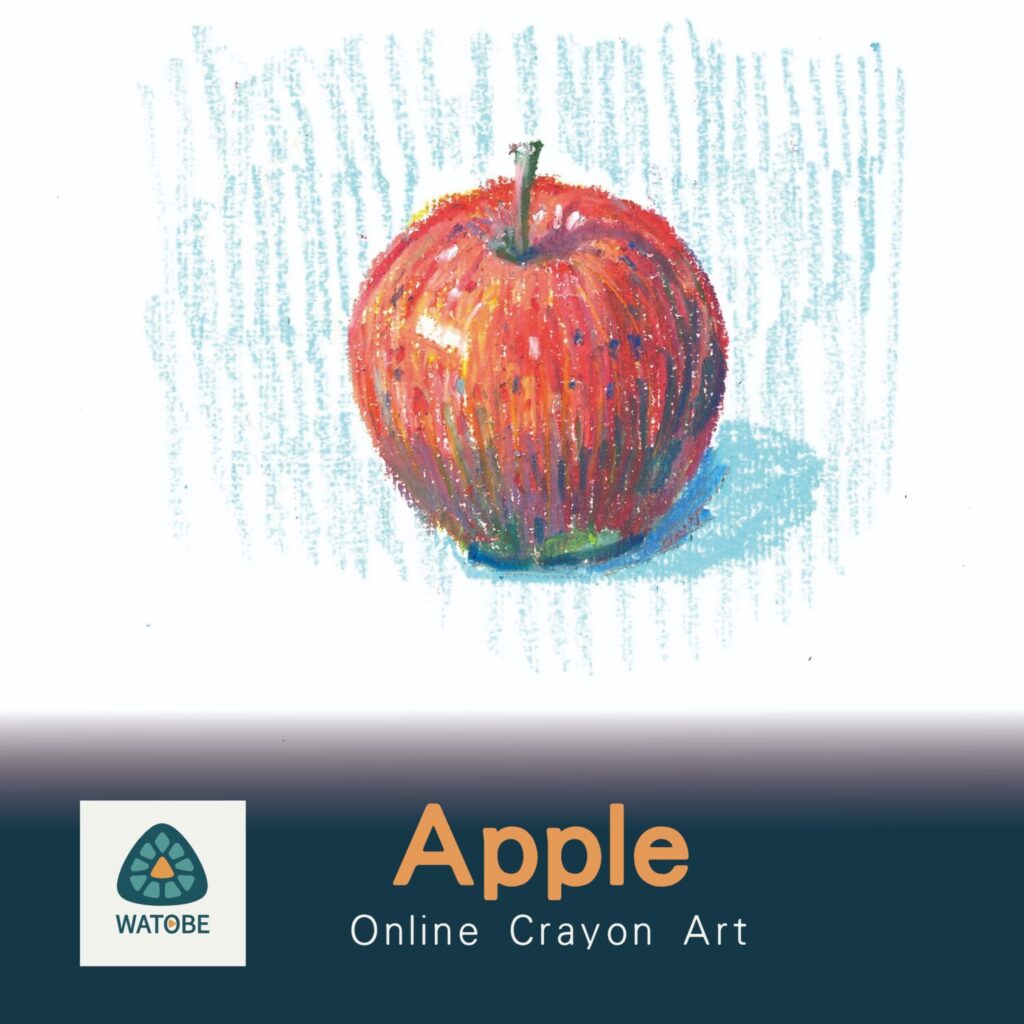
- Apples
- Coffee mugs
- Books
- Shoes
- Plants
- Kitchen utensils
- Water bottles
- Chairs
These subjects teach observation without overwhelming complexity.
Why WATOBE Online Art Lab Is an Excellent Choice
Among today’s online learning platforms, WATOBE Online Art Lab is designed to help students build lasting artistic skills through a structured and beginner-friendly approach.
Rather than encouraging students to jump directly into advanced artwork, WATOBE emphasizes mastering the essential foundations first.
Students can explore learning opportunities in:
- Drawing fundamentals
- Sketching techniques
- Oil painting
- Creative composition
- Children’s art education
- Observation training
- Artistic confidence building
The platform supports learners at different stages, allowing beginners to progress gradually while giving more experienced artists opportunities to continue refining their skills.
Its flexible online format also makes learning accessible for:
- Busy professionals
- Students
- Parents
- Hobby artists
- Children
- Adults returning to art after many years
Instead of feeling overwhelmed by endless online resources, students benefit from a clear learning path that encourages steady improvement through consistent practice.