Table of Contents
ToggleBest Free Online Drawing Courses and Resources for Beginners in 2026
If you’re looking for the best free online drawing courses in 2026, there are more options than ever—from structured drawing lessons and beginner exercises to free video tutorials and drawing websites. The best choice depends on what you want to learn, whether that’s drawing fundamentals, figure drawing, perspective, digital art, or simply building a consistent practice routine. In this guide, we compare some of the best free drawing courses and resources for beginners, what each one is best for, and where free learning may have limitations.
Why Free Online Drawing Courses Are Growing in 2026
The popularity of free online drawing education is driven by several factors.
Accessibility for Everyone
Anyone with internet access can begin learning immediately.
Flexible Learning Schedules
Students can practice anytime without attending physical classes.
Variety of Artistic Topics
Learners can explore:
- Sketching
- Oil painting
- Character design
- Digital art
- Perspective drawing
- Figure drawing
Low-Risk Exploration
Free courses allow beginners to test their interest before investing in professional education.
Best Free Online Drawing Courses and Websites for Beginners in 2026
There is no single best free drawing course for every beginner. Some resources are better for structured fundamentals, while others are stronger for figure drawing, digital painting, or daily practice. Here are four of the best free online drawing resources to consider in 2026.
1. Drawabox — Best for Structured Drawing Fundamentals
Drawabox is one of the strongest free resources for beginners who want a structured approach to drawing fundamentals. Its lessons focus on line control, perspective, spatial reasoning, and constructing complex objects from simple forms. The course follows a progressive lesson-and-exercise format rather than a collection of unrelated tutorials.
Best for: Beginners who want a clear, fundamentals-first learning path.
Free content: The lessons and exercises can be accessed for free.
Main limitation: The program is highly structured and practice-heavy, so it may feel demanding for learners looking for casual drawing tutorials.
2. Proko — Best for Figure Drawing and Anatomy
Proko is a strong choice for beginners who want to learn figure drawing, anatomy, gesture, and traditional drawing skills. Its platform includes free lessons from larger courses, with clear demonstrations that help learners understand both how to draw and why forms behave the way they do.
Best for: Figure drawing, gesture, anatomy, and traditional drawing fundamentals.
Free content: A substantial selection of lessons is available for free, including free lessons within Drawing Basics and other courses.
Main limitation: Full access to some courses and premium features requires payment.
3. Ctrl+Paint — Best for Digital Painting Beginners
Ctrl+Paint is a useful free learning resource for beginners who want to move from traditional drawing skills into digital painting. Its free video library covers digital painting fundamentals, basic techniques, workflow, and essential concepts in short, focused lessons.
Best for: Beginners learning digital drawing and painting.
Free content: A large library of short digital painting lessons is available for free.
Main limitation: The lessons focus primarily on digital art, so beginners looking for a complete traditional drawing curriculum may need additional resources.
4. Line of Action — Best for Daily Figure Drawing Practice
Line of Action is a practical drawing website for beginners who want to build a consistent practice habit. It provides timed drawing tools for figure drawing, gesture, faces and expressions, hands and feet, animals, and other subjects, making it especially useful for short daily practice sessions.
Best for: Gesture drawing, figure practice, observation skills, and building a regular drawing habit.
Free content: Core drawing practice tools and reference sessions are available for free.
Main limitation: It is primarily a practice tool rather than a complete step-by-step drawing course, so beginners may need another resource for structured instruction.
Which free drawing resource should you choose?
If you want a structured foundation, start with Drawabox. Choose Proko if your main interest is figure drawing and anatomy, Ctrl+Paint if you want to learn digital painting, and Line of Action if you need regular gesture and observation practice. Beginners can also combine these resources—for example, using a structured course for fundamentals and a practice website for daily exercises.
What Beginners Truly Need to Learn Drawing Successfully
While free courses provide access to information, successful learning requires more than watching videos.
1. Strong Foundations
Every artist needs core skills such as:
- Line control
- Shape construction
- Perspective
- Light and shadow
- Observation skills
Without these basics, advanced drawing becomes difficult.
2. A Clear Learning Roadmap
Many beginners fail because they practice randomly instead of progressively.
The ideal progression is:
- Lines and basic control
- Shapes and forms
- Perspective
- Shading and value
- Composition
- Advanced subjects
Structured progression is essential.
3. Consistent Practice
Improvement comes from repetition and practice.
Even 30 minutes per day can create visible improvement over time.
4. Simplicity at the Beginning
Beginners should not immediately focus on highly detailed art. Starting simple builds confidence.
5. Motivation and Guidance
Encouragement and clear instruction help students stay committed.
Why Many Beginners Struggle with Free Online Courses
Despite their popularity, free drawing courses often create challenges for new learners.
Information Overload
Too many tutorials create confusion.
Lack of Structure
Most platforms do not provide complete learning systems.
Inconsistent Practice
Beginners frequently switch between lessons without mastering fundamentals.
Unrealistic Expectations
Many learners expect fast improvement and become discouraged.
When a Structured Drawing Course May Be a Better Choice
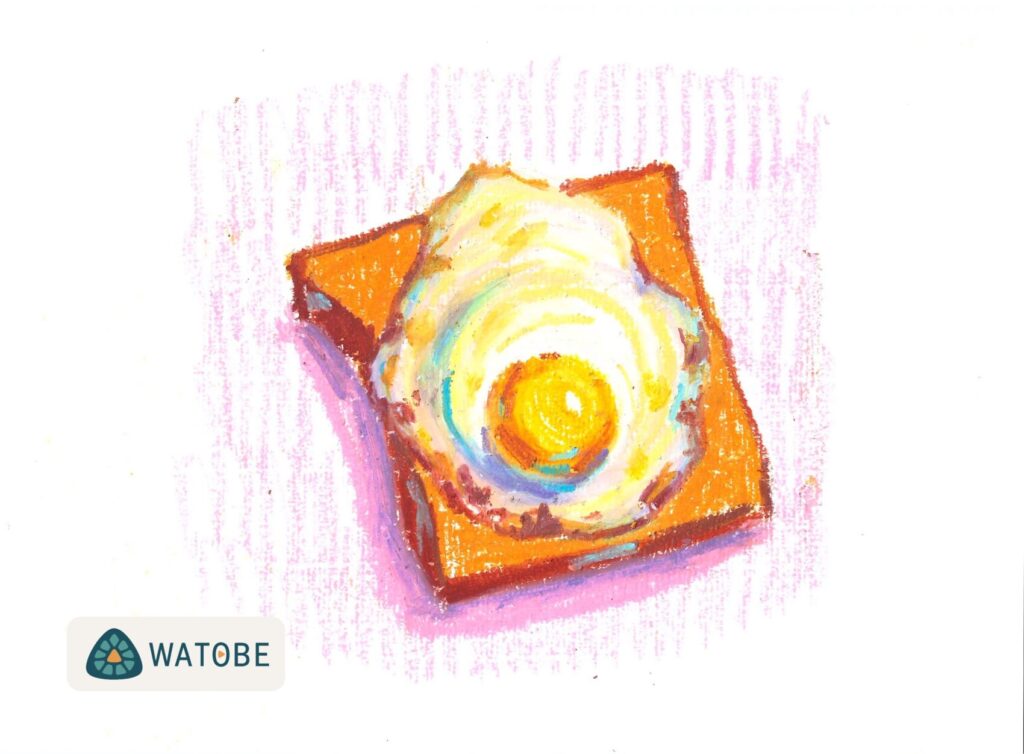
Free drawing resources can be excellent for exploration and independent practice, but some beginners eventually need more structure. If you find yourself jumping between tutorials, unsure what to practice next, or struggling to see steady progress, a structured drawing course can provide a clearer learning path. WATOBE Online Art Lab is designed around this approach, combining step-by-step lessons with practical exercises that help beginners build skills progressively.
Step-by-Step Curriculum
Lessons progress logically from beginner fundamentals to advanced techniques.
Beginner-Friendly Teaching Style
Complex concepts are explained clearly and simply.
Focus on Fundamental Skills
Students master:
- Drawing basics
- Observation techniques
- Perspective
- Shading
- Composition
before moving forward.
Flexible Online Learning
Students can learn anytime at their own pace.
Practical Exercises
WATOBE emphasizes doing—not just watching.
Essential Art Supplies for Beginners
You do not need expensive tools to start drawing.
Recommended beginner supplies include:
- HB and 2B pencils
- Sketchbook
- Eraser
- Sharpener
- Basic blending tools
Digital beginners may also use:
- Drawing tablets
- iPads
- Stylus pens
WATOBE Online Art Lab also helps students understand which tools are suitable for beginners.
How to Stay Motivated While Learning Online
Online learning requires self-discipline. Here are some effective strategies.
Set Small Goals
Focus on steady improvement rather than perfection.
Practice Daily
Short, regular practice sessions are more effective than occasional long sessions.
Avoid Comparing Yourself to Professionals
Every artist starts as a beginner.
Follow a Structured Program
Structured systems reduce confusion and improve motivation.
Which Free Online Drawing Course Is Best in 2026?
There is no single best free online drawing course for every beginner. The right choice depends on your goals and how you prefer to learn.
For structured drawing fundamentals, Drawabox is a strong starting point. Proko is especially useful for figure drawing and anatomy, while Ctrl+Paint is a good choice for beginners interested in digital painting. Line of Action works well for regular gesture and observation practice.
Free resources can take you a long way, especially when you practice consistently. However, if you prefer a more guided learning path with organized lessons and progressive exercises, a structured course may be easier to follow. WATOBE Online Art Lab is designed for beginners who want that kind of step-by-step learning experience.
What is the best online drawing course?
There is no single best free online drawing course for every beginner. The right choice depends on your goals and how you prefer to learn.
For structured drawing fundamentals, Drawabox is a strong starting point. Proko is especially useful for figure drawing and anatomy, while Ctrl+Paint is a good choice for beginners interested in digital painting. Line of Action works well for regular gesture and observation practice.
Free resources can take you a long way, especially when you practice consistently. However, if you prefer a more guided learning path with organized lessons and progressive exercises, a structured course may be easier to follow. WATOBE Online Art Lab is designed for beginners who want that kind of step-by-step learning experience.
How long does it take to learn drawing?
Learning to draw takes different amounts of time for everyone. Beginners can often notice improvement within a few months when they practice consistently, but developing strong drawing skills is a longer process that depends on practice frequency, learning goals, and the skills being studied.
Short, regular practice sessions can help beginners improve observation, line control, proportion, shading, and other fundamentals. A structured learning path can also make it easier to know what to practice next and track progress over time.
Can beginners learn drawing online?
Yes. Beginners can learn drawing online effectively when they combine clear instruction with consistent practice. Online courses and drawing resources can teach fundamental skills such as line control, shapes, proportion, perspective, shading, and composition while allowing learners to study at their own pace.
For beginners, the most useful approach is to follow a clear learning sequence rather than jumping randomly between tutorials. Free resources can be an excellent place to start, while learners who prefer more guidance may benefit from a structured course with step-by-step lessons and practical exercises.