Learning to draw online has never been more accessible—but choosing the right course as a beginner can still be difficult. With so many drawing classes, tutorials, and learning platforms available, the most important question isn’t simply where to learn. It’s knowing what a good beginner drawing course should actually teach.
A strong course should help you build the fundamentals in a logical order: observation, basic shapes, line control, proportion, perspective, light and shadow, and composition. Just as importantly, it should give you enough structured practice to understand how those skills work together in real drawings.
In this guide, we’ll look at what beginners should learn first, how structured drawing courses differ from random tutorials, common mistakes to avoid, and how to choose an online drawing course that matches your goals and learning style.
Table of Contents
ToggleWhat Should a Beginner Drawing Course Teach?

Not all online art courses are beginner-friendly. Some courses move too quickly, while others assume students already understand drawing fundamentals.
The best beginner drawing courses usually include several important elements.
1. Structured Step-by-Step Learning
Beginners improve faster when lessons follow a logical progression.
Instead of random tutorials, students should learn:
- Line control
- Basic shapes
- Forms and construction
- Perspective
- Shading and value
- Composition
- Observation drawing
- Advanced creative techniques
This kind of progression helps beginners build foundational skills before moving on to more complex subjects and creative techniques.
2. Beginner-Friendly Teaching Style
Complex art concepts can feel intimidating.
A beginner-friendly course should explain complex ideas in clear, practical steps, such as:
- Perspective simply
- Shading clearly
- Observation techniques gradually
- Drawing mistakes constructively
Clear explanations and constructive guidance help beginners understand not only what to draw, but also how to recognize and improve common mistakes.
3. Practical Exercises
Watching videos alone does not build artistic skill.
Real improvement requires:
- Repetition
- Sketching practice
- Hand-eye coordination
- Observation training
Practice becomes more effective when learners can identify what is working, recognize specific problems, and decide what to focus on in the next drawing.
4. Flexible Online Access
Modern students want convenience.
The best online art courses allow students to:
- Pause and replay lessons
- Learn on mobile devices
- Practice without schedule pressure
- Study from anywhere
Flexible access allows beginners to practice at their own pace, revisit difficult lessons, and build a more consistent learning routine.
5 Essential Drawing Skills Every Beginner Should Build
Many beginners focus too much on advanced topics before mastering the basics.
In reality, beginners need strong foundations far more than advanced techniques.
Strong Observation Skills
Artists learn to truly “see” shapes, proportions, and light relationships.
Observation is one of the most important artistic skills.
Understanding Simple Shapes
Most complex objects can be broken into:
- Cubes
- Cylinders
- Spheres
- Cones
This makes drawing easier and more manageable.
Line Control
Confident lines improve drawing quality dramatically.
Line exercises help beginners develop:
- Precision
- Stability
- Confidence
Light and Shadow
Shading teaches artists how to create:
- Depth
- Form
- Realism
- Mood
Beginners should learn shading gradually, starting with simple value relationships before moving on to more complex lighting and realistic rendering.
Consistent Practice Habits
One of the biggest reasons beginners fail is inconsistent practice.
Even short daily sketching sessions can produce major improvements over time.
Common Mistakes Beginners Make When Learning Art Online
Mistake 1: Learning Randomly
Many beginners jump between:
- Portrait tutorials
- Anime drawing
- Perspective lessons
- Digital painting
without understanding the foundations first.
This creates confusion and slows progress.
Structured learning systems solve this problem.
Mistake 2: Expecting Instant Results
Drawing is a long-term skill.
Like music or sports, improvement takes:
- Time
- Repetition
- Patience
- Practice
Mistake 3: Watching Without Practicing
Watching tutorials feels productive, but skill only develops through actual drawing.
Active practice helps learners turn what they see in a tutorial into skills they can actually use in their own drawings.
Mistake 4: Comparing Too Much
Beginners often compare themselves to professional artists online.
This creates discouragement.
The better approach is comparing your current work to your previous work.
Mistake 5: Practicing Without Feedback
Practice is essential, but repetition alone does not always show you what needs improvement.
Beginners may repeat the same problems with proportion, perspective, shading, or composition without realizing it.
Useful feedback helps learners identify specific problems, understand what to work on next, and make each practice session more purposeful.
Why Structured Learning Is Better Than Random Tutorials
Free tutorials can be useful for learning individual techniques, but beginners often struggle to understand what to learn next. A structured drawing course connects foundational skills in a logical sequence, helping students build on what they have already learned instead of jumping randomly between unrelated topics.
This makes it easier to identify weaknesses, practice with a clear purpose, and make steady progress over time.
Best Beginner Drawing Topics to Learn First
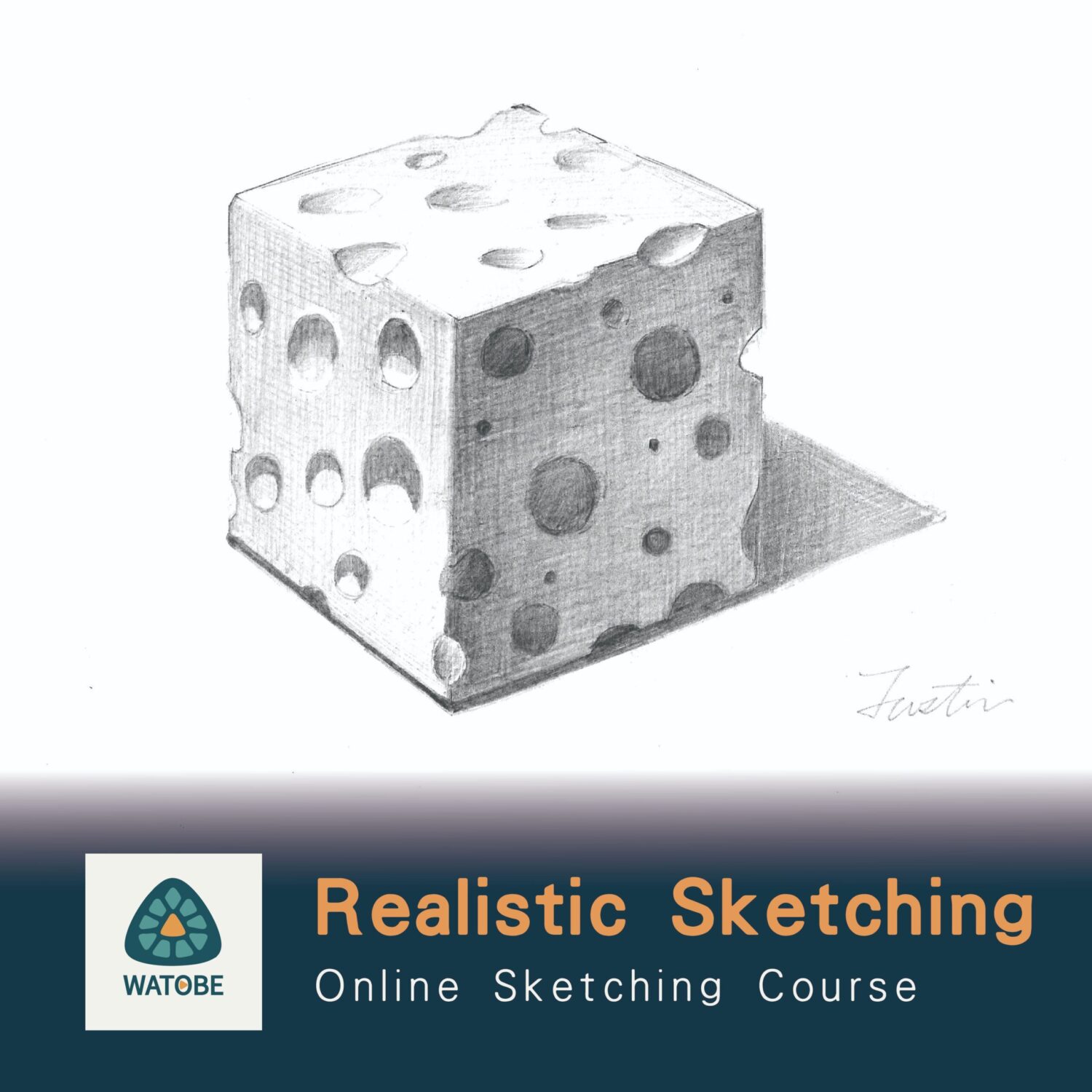
Basic Sketching
Sketching is the foundation of all visual art.
Students learn:
- Shape construction
- Observation
- Composition
- Line quality
Perspective Drawing
Perspective helps create realistic space and depth.
Many beginners initially struggle with perspective, so beginner-friendly instruction is essential.
Shading and Value
Understanding light improves:
- Realism
- Form
- Visual impact
Composition
Composition teaches students how to arrange visual elements effectively.
Moving from Drawing to Painting
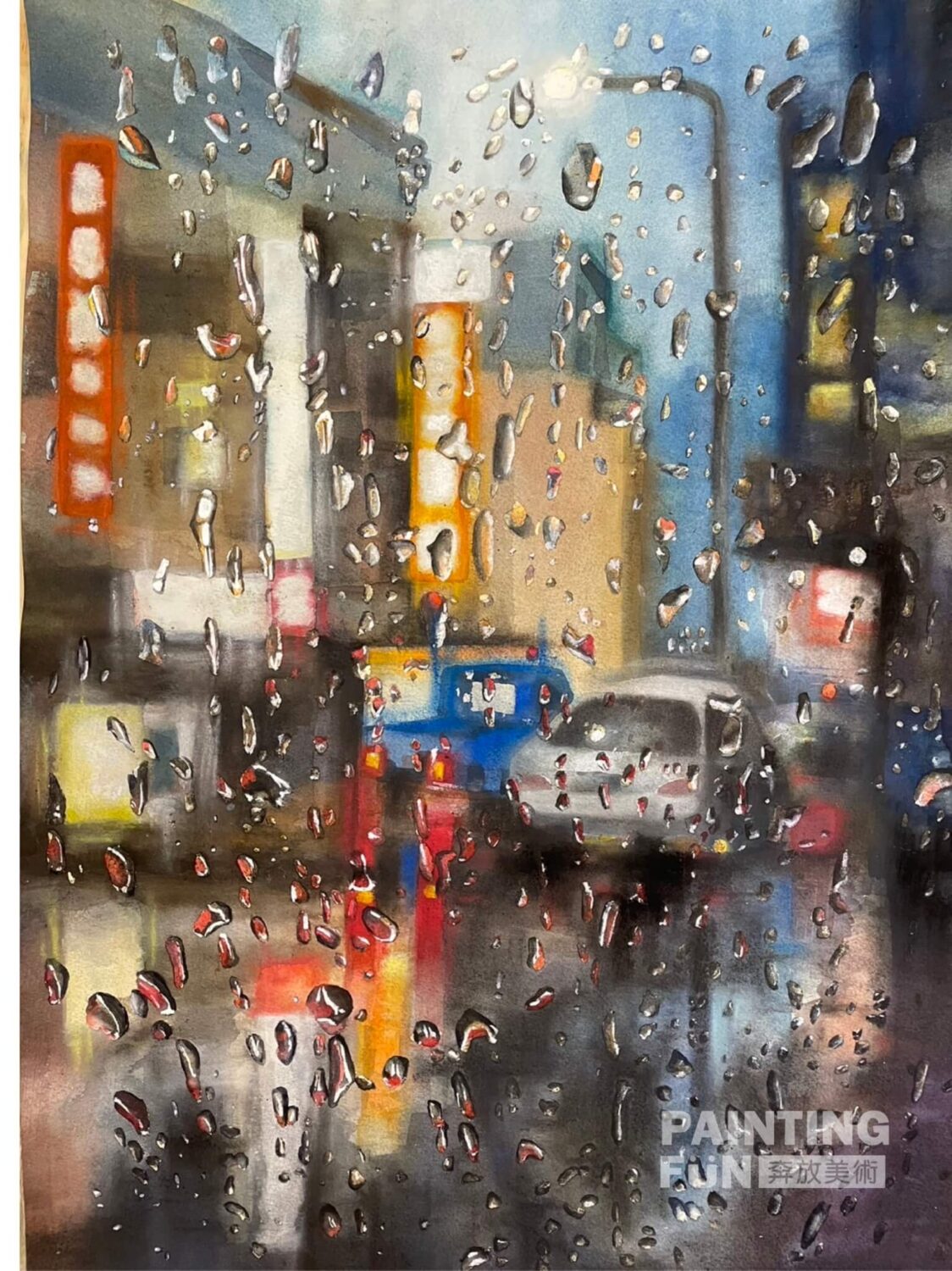
After learning drawing basics, many students expand into painting.
WATOBE offers beginner oil painting instruction focused on:
- Color mixing
- Brush techniques
- Layering
- Light and depth
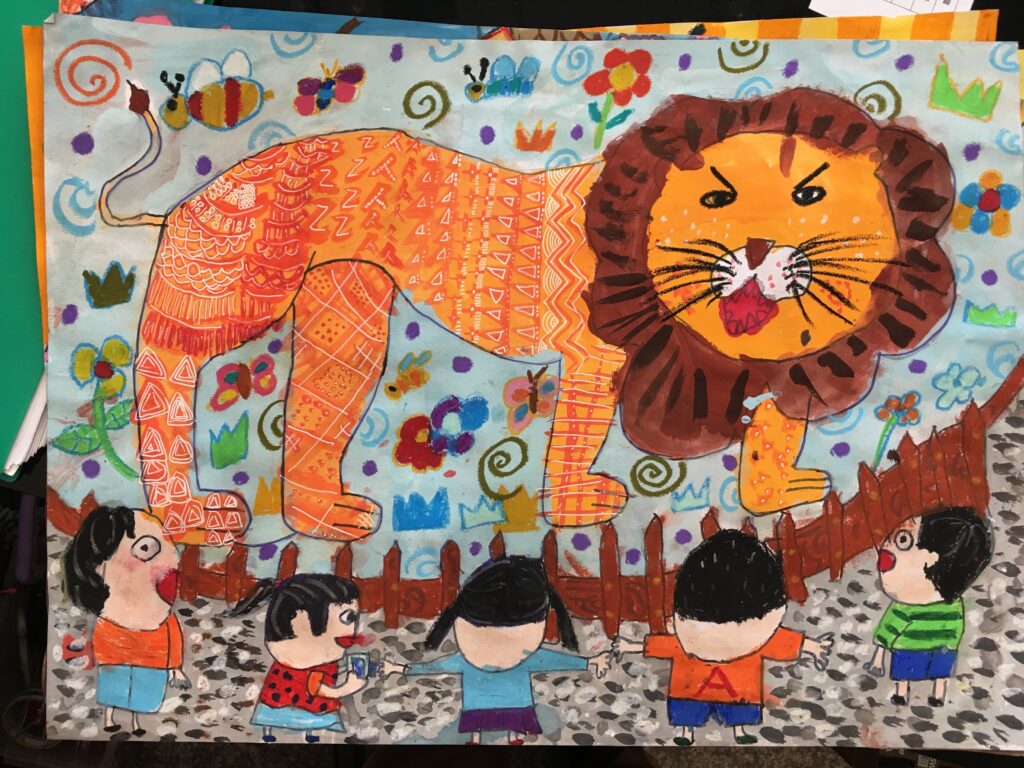
How Online Art Education Helps Children
Children’s art learning supports more than creativity alone.
Art education may help improve:
- Focus
- Cognitive flexibility
- Emotional expression
- Visual thinking
- Problem-solving
Creative activities also encourage confidence and imagination during early development.
The Mental Benefits of Drawing and Creative Learning
Art is not only educational — it is also emotionally rewarding.
Research into mindful art practices suggests creative activities may help support relaxation and mindfulness experiences.
Many students use sketching and painting as:
- Stress relief
- Personal expression
- Mental relaxation
- Creative mindfulness
This makes online art learning especially valuable in today’s fast-paced digital world.
Why WATOBE Online Art Lab Stands Out in 2026
WATOBE Online Art Lab is dedicated to helping beginners succeed through structured, easy-to-understand, and flexible learning methods.
Progressive Courses
Courses follow a logically rigorous teaching methodology to help beginners avoid confusion.
WATOBE’s courses are built on extensive teaching experience and a thorough understanding of the real challenges beginners face.
A Learning Environment Designed for Continuous Improvement
WATOBE emphasizes:
- Encouragement
- Clear and practical guidance
- Guided practice
- Progressive learning
- Personalized artwork feedback
With AI-powered artwork analysis being introduced to the WATOBE learning experience, students will be able to receive more immediate feedback on their work and better understand what to focus on next.
Flexible Learning System
Students can:
Learn Anytime, Anywhere
Replay Lessons
Self-Study
Multiple Creative Learning Methods
WATOBE offers:
Introduction to Sketching
Basic Drawing
Oil Painting
Children’s Art Education
Creative Development Courses
Choosing the Best Beginner Drawing Course Online in 2026
The best beginner drawing course is not simply the course with the most videos or advanced techniques.
The best course is the one that helps beginners:
- Build confidence
- Learn step by step
- Practice consistently
- Understand fundamentals
- Stay motivated
WATOBE Online Art Lab stands out in 2026 because it combines:
- Beginner-friendly teaching
- Structured artistic development
- Flexible online learning
- Practical exercises
- Strong creative foundations
- AI-powered artwork feedback
Whether you want to:
- Learn sketching
- Explore oil painting
- Improve observation skills
- Help your child learn art
- Develop a relaxing creative hobby
- Build long-term artistic ability
WATOBE provides a clear and supportive path toward artistic growth.
or beginners, learning to draw is not only about watching lessons. Real improvement comes from a continuous cycle of learning, practicing, receiving feedback, and knowing what to improve next.
WATOBE Online Art Lab is building this learning experience around structured art education and AI-powered artwork feedback, helping students move from Learn → Practice → Feedback → Improve with clearer direction throughout their artistic journey.