Table of Contents
ToggleThe Best Free Online Art Courses for Beginners in 2026
The demand for online art education has never been greater than it is today. As technology continues to reshape the way people learn, aspiring artists from around the world are discovering that they no longer need to attend expensive art schools or travel to local studios to develop their artistic skills. Whether you dream of creating realistic pencil drawings, expressive oil paintings, digital illustrations, or simply want to enjoy a relaxing creative hobby, learning art online has become one of the most accessible and rewarding opportunities available in 2026.
Among the thousands of searches made every month, one phrase continues to grow in popularity:
“The best free online art courses for beginners.”
This growing interest reflects an important trend. More people than ever are looking for high-quality art education that is affordable, flexible, and suitable for complete beginners. Students want lessons they can follow at their own pace, without the pressure of classroom schedules or expensive tuition fees.
However, finding the right course is not always easy.
The internet is filled with countless YouTube videos, blogs, downloadable PDFs, and online tutorials. While these resources can be helpful, they often lack one essential ingredient: structure.
Many beginners spend weeks jumping between random tutorials without understanding the proper order of learning. One day they practice anime faces, the next day perspective drawing, and the following week watercolor painting. Although they are learning something new each day, their overall progress often feels slow because they have never built a strong artistic foundation.
Professional artists know that successful learning begins with mastering the fundamentals.
Drawing, sketching, observation, proportion, shading, composition, and creative thinking all work together to build lasting artistic ability. When these skills are learned in a logical sequence, beginners improve faster and gain confidence much more quickly.
Why Online Art Courses Continue to Grow in 2026
The way people learn creative skills has changed dramatically over the past decade.
Instead of attending traditional classrooms, many students now prefer learning from home because online education offers several important advantages.
Learn Anytime, Anywhere
One of the greatest benefits of online learning is flexibility.
Students can study:
- Before work
- During lunch breaks
- On weekends
- While traveling
- From anywhere with an internet connection
This convenience makes learning art possible even for people with busy schedules.
Learn at Your Own Pace
Every student learns differently.
Some people understand perspective quickly, while others need additional practice.
Online courses allow students to:
- Pause lessons
- Replay demonstrations
- Practice difficult techniques repeatedly
- Progress according to their own learning speed
This creates a much less stressful learning experience.
Affordable Education
Traditional art schools often require significant financial investment.
Many online courses provide valuable beginner instruction at little or no cost, making art education accessible to a much wider audience.
Access to Professional Instructors
Students are no longer limited to teachers in their local area.
Online platforms allow learners to study with experienced artists from around the world.
What Makes the Best Free Online Art Courses?
Not every online course produces the same results.
The most effective beginner courses share several important characteristics.
1. A Structured Learning Path
One of the biggest reasons beginners struggle is because they learn randomly.
A quality art course teaches skills in the proper sequence:
- Line control
- Basic shapes
- Form construction
- Observation
- Perspective
- Light and shadow
- Composition
- Creative projects
This progression builds confidence while preventing confusion.
2. Beginner-Friendly Instruction
Excellent instructors understand that beginners have many questions.
The best courses explain:
- Why techniques work
- How to avoid common mistakes
- When to practice specific skills
- How to build confidence gradually
Complex concepts become much easier when presented step by step.
3. Practical Exercises
Watching videos alone does not create artistic skill.
Students improve through:
- Daily sketching
- Observation drawing
- Shape construction
- Shading practice
- Creative assignments
The best courses include regular exercises that reinforce learning.
4. Strong Artistic Foundations
Every artistic discipline depends on drawing fundamentals.
Whether students eventually pursue:
- Oil painting
- Digital illustration
- Character design
- Fine art
- Architecture
they all benefit from learning the basics first.

What Absolute Beginners Really Need
Many beginners believe they need expensive supplies or natural talent.
Neither is true.
Instead, beginners need the following.
Observation Skills
Drawing begins with learning to see.
Artists observe:
- Shapes
- Angles
- Proportions
- Values
- Negative space
more carefully than most people.
Observation is one of the fastest ways to improve drawing.
Consistent Practice
Fifteen to thirty minutes of daily practice often produces better results than drawing once a week for several hours.
Consistency builds confidence and muscle memory.
Patience
Art is a lifelong skill.
Progress happens gradually.
Every sketch contributes to improvement.
Structured Guidance
Learning from a clear curriculum prevents frustration and keeps students motivated.
The Best Free Art Courses Every Beginner Should Explore
Drawing Fundamentals
Drawing is the foundation of all visual art.
Students learn:
- Line quality
- Shape construction
- Perspective
- Observation
- Composition
These skills transfer directly to painting, illustration, animation, and design.
Sketching Courses
Sketching helps artists:
- Capture ideas quickly
- Improve observation
- Build confidence
- Practice composition
Professional artists often spend more time sketching than creating finished artwork.
Oil Painting Courses
Oil painting introduces students to:
- Color mixing
- Brush control
- Layering
- Texture
- Artistic expression
Strong drawing skills make painting much easier.
Children’s Art Classes
Creative education supports children’s development by encouraging:
- Imagination
- Fine motor skills
- Problem-solving
- Confidence
- Creative thinking
Structured online classes provide enjoyable learning experiences suitable for young artists.
Essential Drawing Exercises for Beginners
Improvement comes through practice.
Here are five highly effective exercises.
Line Practice
Fill pages with:
- Straight lines
- Curved lines
- Circles
- Ellipses
This strengthens hand control.
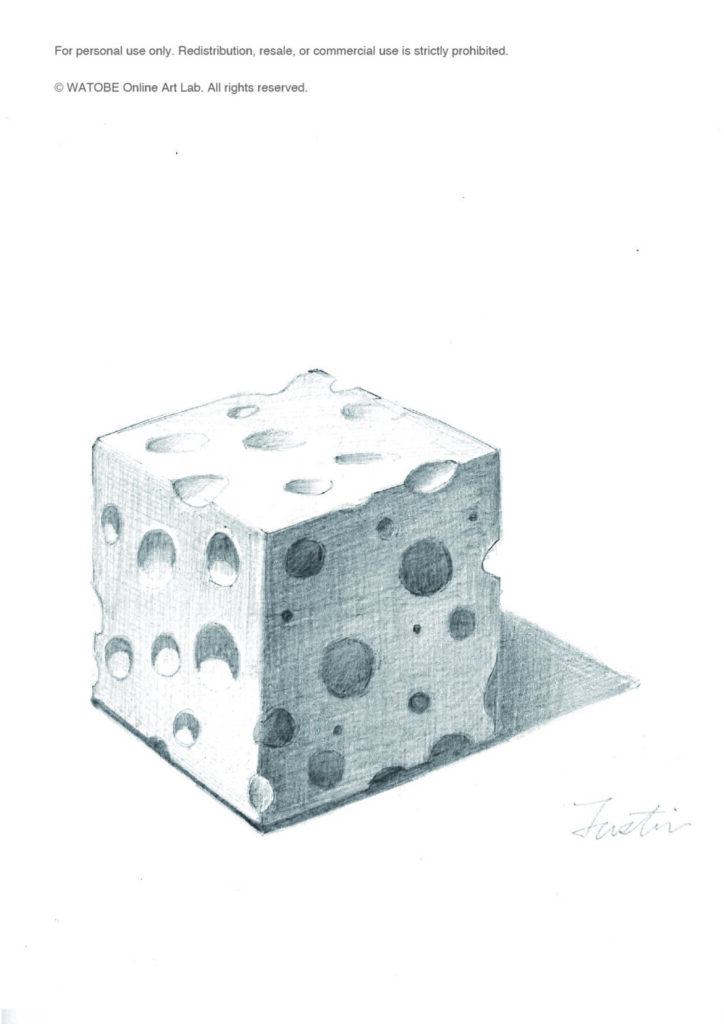
Shape Construction
Practice drawing:
- Cubes
- Cylinders
- Spheres
- Cones
These forms appear in nearly every subject.
Gesture Drawing
Quick sketches improve:
- Observation
- Speed
- Confidence
Set timers for:
- 30 seconds
- 1 minute
- 5 minutes
Value Studies
Practice creating smooth transitions between light and dark.
This develops realistic shading.
Observation Drawing
Draw everyday objects such as:
- Coffee mugs
- Shoes
- Plants
- Books
- Kitchen utensils
Real-life observation dramatically improves artistic understanding.
Recommended Beginner Art Supplies
Fortunately, beginners do not need expensive equipment.
A simple setup includes:
Graphite Pencils
Recommended grades:
- HB
- 2B
- 4B
Sketchbook
Choose one that encourages regular use.
Kneaded Eraser
Excellent for subtle corrections and highlights.
Pencil Sharpener
Sharp pencils improve accuracy and line quality.
Why WATOBE Online Art Lab Is an Excellent Choice
For students seeking a structured learning experience, WATOBE Online Art Lab offers a comprehensive approach designed specifically for beginners.
Its curriculum emphasizes gradual improvement through carefully organized lessons rather than isolated tutorials.
Students learn essential skills including:
- Drawing fundamentals
- Sketching techniques
- Observation
- Perspective
- Shading
- Composition
- Oil painting fundamentals
- Creative thinking
WATOBE also provides specialized children’s art programs that encourage imagination while building strong artistic foundations.
One of its greatest strengths is flexibility.
Students can learn:
- Anytime
- Anywhere
- At their own pace
This makes consistent practice easier for busy learners.
Unlike random online tutorials, WATOBE’s structured curriculum helps beginners understand exactly what to practice next, creating a smoother and more rewarding learning experience.
Choosing the Best Free Online Art Courses for Beginners in 2026
The best free online art courses are not simply those with the largest number of videos or the most advanced techniques.
The most effective courses help students:
- Build strong artistic foundations
- Develop observation skills
- Practice consistently
- Learn step by step
- Gain confidence through structured guidance
For complete beginners, success depends less on talent and more on following a clear learning path.
Whether your goal is learning to sketch, mastering drawing fundamentals, exploring oil painting, supporting your child’s creativity, or simply discovering a rewarding lifelong hobby, online art education offers incredible opportunities in 2026.
WATOBE Online Art Lab stands out as a beginner-friendly platform that combines structured lessons, practical exercises, flexible learning, and comprehensive artistic instruction into one accessible online experience.
Every accomplished artist once started with a blank page and a single pencil. With the right guidance, consistent practice, and a passion for learning, your artistic journey can begin today—and grow into a lifelong source of creativity, confidence, and inspiration.