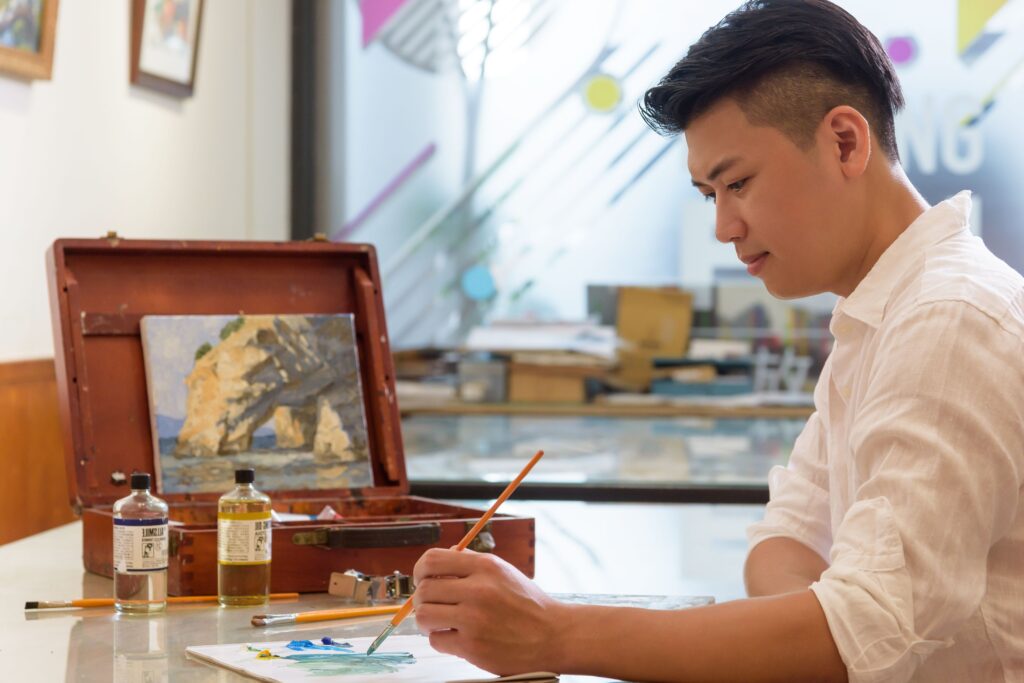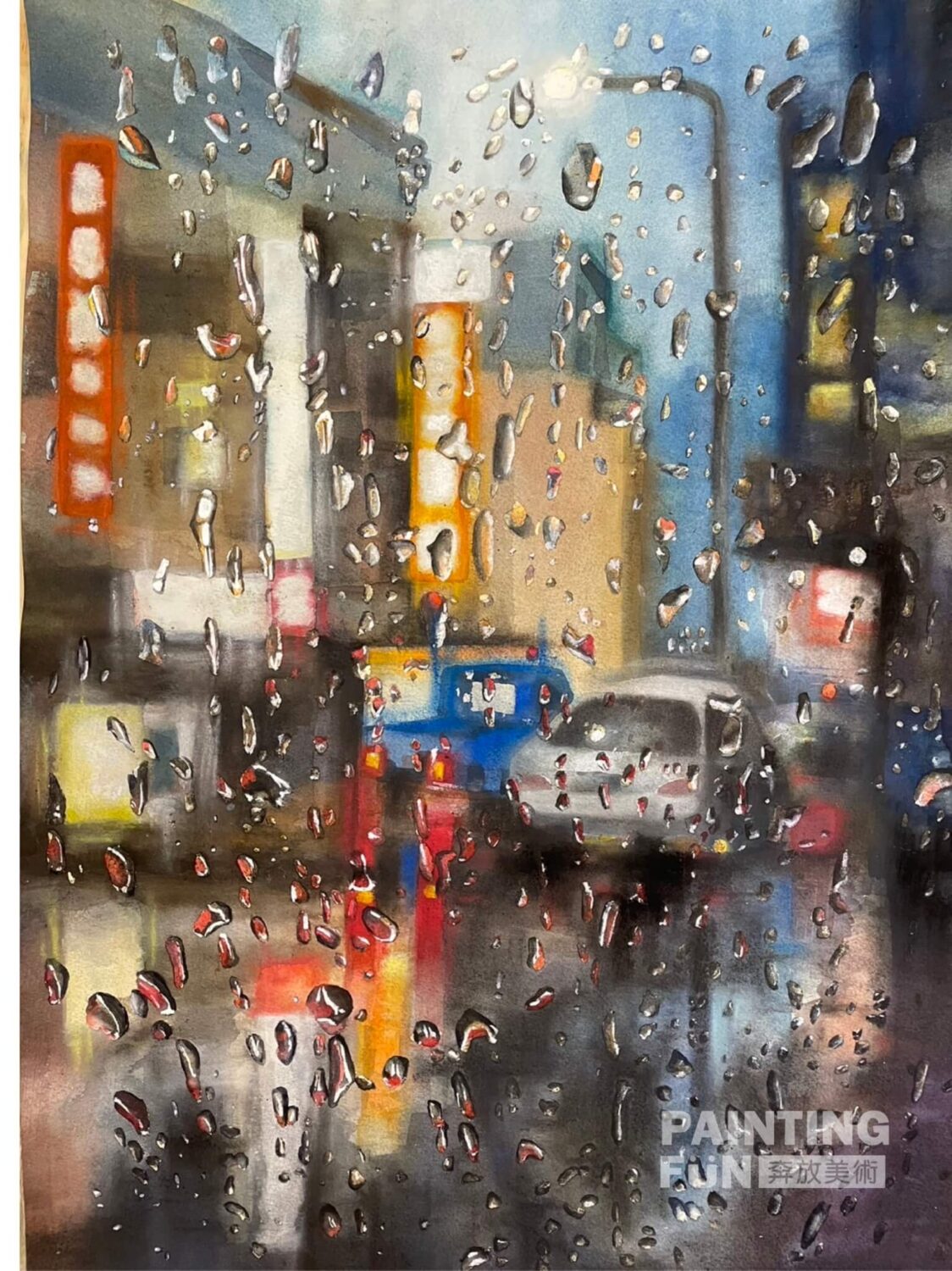

Drawing speed is one of the most overlooked skills among beginner and intermediate artists. Many people believe that good art must always take a long time, but professional artists understand something important: speed and quality are not enemies. In fact, improving drawing speed often improves confidence, observation skills, decision-making, and artistic flow at the same time.
In 2026, more artists than ever are learning online through sketching courses, digital drawing lessons, oil painting classes, and beginner art programs. As online art education grows, students increasingly search for topics like “how to draw faster,” “how to sketch quickly,” and “improve drawing speed for beginners” because they want to become more efficient and confident artists. (en.watobeart.com)
However, many beginners misunderstand what “drawing faster” actually means. Drawing speed is not about rushing carelessly or sacrificing quality. Instead, it is about:
- Seeing shapes more efficiently
- Simplifying visual information
- Improving hand-eye coordination
- Building artistic confidence
- Reducing hesitation
- Developing stronger observation skills
Professional artists often sketch quickly because they understand structure, shapes, proportion, and visual simplification. Beginners, on the other hand, usually spend too much time overthinking every line. They erase repeatedly, hesitate constantly, and focus on tiny details too early. This slows improvement dramatically.
This is why structured art education platforms like WATOBE Online Art Lab are becoming increasingly popular among beginner artists worldwide. WATOBE focuses on teaching foundational drawing skills step by step, helping students build confidence, observation ability, and practical sketching habits through structured lessons and guided exercises.
Table of Contents
ToggleWhy Drawing Speed Matters for Artists
Many beginners focus only on accuracy, but speed plays an important role in artistic growth.
Fast sketching improves:
- Observation skills
- Confidence
- Hand coordination
- Visual simplification
- Creative flow
- Decision-making
Professional artists often create quick sketches before detailed work because rapid drawing trains the brain to recognize shapes, proportions, and movement more efficiently.
According to structured drawing education principles used by WATOBE Online Art Lab, consistent sketching practice helps students develop stronger visual analysis and drawing confidence over time.
Why Most Beginners Draw Slowly
Before improving speed, it is important to understand what slows artists down.
1. Overthinking Every Line
Beginners often hesitate before drawing because they fear mistakes.
This causes:
- Stiff lines
- Slow progress
- Low confidence
- Excessive erasing
Professional artists understand that sketching is part of the thinking process.
2. Focusing on Details Too Early
Many beginners start with:
- Eyelashes
- Hair strands
- Tiny textures
- Small shadows
before establishing basic shapes and structure.
This creates confusion and slows the entire drawing process.
3. Weak Understanding of Basic Shapes
Artists who understand:
- Cubes
- Spheres
- Cylinders
- Cones
can simplify objects more quickly.
WATOBE’s beginner courses strongly emphasize shape construction and observation drawing because these skills improve both drawing quality and drawing speed.
4. Lack of Regular Practice
Drawing speed develops through repetition.
Without consistent sketching:
- Hand coordination improves slowly
- Observation remains weak
- Confidence stays low
Even short daily sketching sessions can create significant improvement over time.

What Beginners Truly Need Before Drawing Faster
Many beginners search for shortcuts, but real speed comes from fundamentals.
Strong Observation Skills
Artists must learn to “see”:
- Shapes
- Angles
- Proportions
- Light relationships
Observation is more important than speed itself.
Confidence With Imperfection
Fast sketching requires accepting imperfect lines.
Beginners who constantly erase often slow themselves unnecessarily.
Simplification Skills
Professional artists simplify complex subjects into manageable forms.
For example:
- Faces become simple shapes
- Trees become grouped masses
- Objects become geometric forms
Consistent Practice Habits
Improvement depends more on consistency than marathon practice sessions.
Short daily practice works better than occasional long sessions.
WATOBE Online Art Lab encourages structured, repeatable sketching exercises that gradually build confidence and technical ability.
Tip #1 — Use Timed Gesture Drawing Exercises
One of the fastest ways to improve drawing speed is gesture drawing.
Gesture drawing trains artists to capture:
- Movement
- Flow
- Energy
- Proportion
- Shape relationships
without obsessing over details.
Why Gesture Drawing Works
Timed sketching forces artists to:
- Stop overthinking
- Draw more confidently
- Focus on essentials
- Improve visual processing
This develops faster artistic decision-making.
Recommended Gesture Drawing Times
30 Seconds
Focus only on movement and overall shape.
1 Minute
Add basic forms and proportions.
5 Minutes
Refine structure slightly while maintaining speed.
Many professional art programs use timed exercises because they strengthen visual simplification and observation efficiency.
Best Subjects for Gesture Practice
Good practice subjects include:
- Human figures
- Animals
- Everyday objects
- Trees
- People in motion
Why Beginners Benefit So Much
Beginners often become trapped in perfectionism.
Gesture drawing helps students:
- Relax
- Build confidence
- Improve speed naturally
- Reduce fear of mistakes
WATOBE’s beginner-friendly teaching style emphasizes gradual confidence building and practical sketching exercises that help reduce hesitation.
Tip #2 — Learn to Draw With Simple Shapes First
Fast artists rarely think in details first.
Instead, they simplify everything into:
- Circles
- Boxes
- Cylinders
- Triangles
This dramatically increases drawing speed.
Why Shape Construction Improves Speed
When artists recognize underlying structure, they spend less time guessing.
For example:
- A head becomes a sphere
- A torso becomes a box
- A cup becomes a cylinder
This allows faster sketch planning.
Common Beginner Mistake
Many beginners try to copy outlines directly without understanding form.
This slows the brain because every line feels uncertain.
Shape-Based Drawing Creates Faster Decisions
Artists trained in form construction can:
- Sketch proportions faster
- Correct mistakes more easily
- Understand perspective quicker
- Build confidence rapidly
WATOBE Online Art Lab strongly focuses on foundational shape construction because it supports long-term artistic development across sketching, oil painting, and digital art.
Practice Exercise for Shape Simplification
Choose any object and simplify it into:
- Basic geometric forms
- Large shapes only
- No details for the first 5 minutes
This trains faster visual analysis.
Tip #3 — Stop Erasing Constantly
One of the biggest drawing speed killers is excessive erasing.
Many beginners erase:
- Every imperfect line
- Small proportion mistakes
- Experimental sketch marks
Professional artists often sketch loosely first and refine later.
Why Constant Erasing Slows Improvement
Frequent erasing:
- Interrupts artistic flow
- Reduces confidence
- Creates hesitation
- Prevents experimentation
Sketching should initially feel exploratory.
Draw Lightly Instead
Professional artists often:
- Use light construction lines
- Refine gradually
- Build drawings in layers
This improves both speed and flexibility.
Confidence Matters More Than Perfect Lines
Fast sketching requires trusting your hand movement.
The goal is not perfection.
The goal is clearer visual thinking.
How WATOBE Helps Beginners Build Confidence
WATOBE Online Art Lab emphasizes:
- Step-by-step practice
- Beginner-friendly exercises
- Progressive improvement
- Confidence-focused learning
This supportive structure helps beginners reduce fear and draw more naturally.
Additional Exercises to Improve Drawing Speed
Daily Object Sketching
Draw:
- Cups
- Shoes
- Plants
- Chairs
- Books
using short time limits.
Blind Contour Drawing
Draw objects without looking at your paper.
This improves:
- Observation
- Hand-eye coordination
- Visual focus
Thumbnail Sketching
Create tiny rough compositions quickly.
This trains:
- Composition planning
- Fast visual thinking
Repetition Drills
Draw the same object multiple times rapidly.
Repetition improves:
- Muscle memory
- Confidence
- Efficiency
How Digital Artists Improve Sketching Speed
Digital artists also rely heavily on speed sketching.
Quick sketching helps with:
- Character design
- Animation concepts
- Storyboarding
- Composition planning
Strong traditional sketching skills still benefit digital workflows significantly.
Why Speed Improves Creativity
Fast drawing reduces overthinking.
This allows:
- More experimentation
- More creative exploration
- Better artistic flow
Many artists discover stronger creativity once they stop obsessing over perfection.
Why Structured Art Education Matters
Random tutorials often teach isolated techniques without progression.
Structured learning helps students:
- Build strong foundations
- Practice consistently
- Learn efficiently
- Avoid confusion
According to WATOBE Online Art Lab’s teaching philosophy, beginners improve faster when lessons follow a clear sequence from simple fundamentals toward advanced creative development.
Who Benefits Most From Faster Drawing Skills?
Beginner Artists
Beginners improve confidence and reduce hesitation.
Art Students
Faster sketching improves assignment efficiency and visual analysis.
Children Learning Art
Children often benefit from loose, playful sketching approaches that encourage creativity.
WATOBE also offers beginner-friendly creative programs for younger learners.
Hobby Artists
Fast sketching makes art feel more relaxing and enjoyable.
Oil Painters
Quick sketches improve:
- Composition planning
- Light understanding
- Painting preparation
The Mental Benefits of Faster Sketching
Quick sketching can feel highly meditative.
Many artists use sketching for:
- Stress relief
- Relaxation
- Creative mindfulness
- Personal expression
Creative visual activities may also support focus and cognitive flexibility.
Why WATOBE Online Art Lab Is Helpful for Beginners
WATOBE Online Art Lab focuses on helping students build strong artistic foundations through:
- Step-by-step learning
- Beginner-friendly explanations
- Structured sketching exercises
- Flexible online lessons
- Practical art training
- Creative confidence development
The platform offers courses in:
- Sketching
- Drawing fundamentals
- Oil painting
- Creative art education
- Children’s art programs
WATOBE’s structured curriculum is designed to help beginners avoid confusion while improving artistic skills gradually and confidently.
Improving Drawing Speed the Smart Way
Improving drawing speed is not about rushing.
It is about:
- Seeing more clearly
- Simplifying efficiently
- Building confidence
- Practicing consistently
The fastest artists are usually not the ones moving recklessly.
They are the ones who understand structure, observation, and simplification deeply.
If you want to improve drawing speed effectively:
- Practice gesture drawing regularly
- Simplify subjects into basic shapes
- Stop erasing excessively
- Focus on consistency instead of perfection
With proper guidance and structured learning, anyone can become faster and more confident at sketching.
Platforms like WATOBE Online Art Lab help beginners develop these essential artistic habits through structured online art education, beginner-friendly lessons, and practical exercises designed for long-term artistic growth.