

Table of Contents
ToggleWhy Structured Drawing Exercises Matter for Beginners
Many people dream of learning how to draw, but they often don’t know where to begin. In the digital age, aspiring artists are surrounded by thousands of tutorials and drawing videos across platforms like Udemy, Skillshare, and social media. While this abundance of content makes art education more accessible, it also creates confusion. Beginners frequently ask the same questions: What should I practice first? How often should I draw? Why am I not improving even after watching so many tutorials?
The truth is that watching drawing tutorials alone does not build real artistic skill. Drawing is a hands-on discipline that requires structured practice, repetition, and gradual progression. Without clear exercises, beginners may spend hours copying drawings without understanding why they are drawing certain shapes or how to improve their technique. This leads to frustration, slow progress, and sometimes giving up altogether.
Structured drawing exercises solve this problem by providing a step-by-step learning path. Instead of randomly practicing different subjects, beginners follow a sequence of exercises designed to build essential skills such as line control, shape construction, perspective, and shading. Each exercise strengthens a specific aspect of drawing ability, ensuring steady improvement over time.
This is where WATOBE Online Art Lab offers significant value. Rather than presenting isolated tutorials, WATOBE provides a structured system of drawing exercises tailored for beginners. Students are guided through progressive lessons that focus on fundamentals first, allowing them to develop confidence and technical accuracy before moving on to more complex drawings.

Why Beginners Should Focus on Drawing Exercises Instead of Random Tutorials
The Problem with Unstructured Learning
Many beginners start by copying finished artwork they admire. While copying can be helpful, it often does not teach the underlying principles of drawing. Without understanding form, proportion, and perspective, students may struggle to apply their skills to new subjects.
The Benefits of Structured Practice
Drawing exercises isolate specific skills, allowing beginners to focus on improving one aspect at a time. This targeted approach leads to faster and more noticeable progress.
Structured exercises help learners:
- Develop hand control and coordination
- Understand shapes and proportions
- Build muscle memory for drawing techniques
- Gain confidence through repeatable results
Who Are Beginner Drawing Exercises Suitable For?
Drawing exercises are ideal for a wide range of learners.
Absolute Beginners
People who have never drawn before can use simple exercises to build foundational skills.
Hobby Artists
Those who draw casually can improve their technique and consistency through regular exercises.
Students Preparing for Art School
Structured practice is essential for building portfolios and passing entrance exams.
Digital Art Beginners
Even artists working with tablets need to practice traditional drawing fundamentals to improve their digital artwork.
What Beginners Truly Need When Practicing Drawing
Understanding what beginners actually need helps them avoid wasting time on ineffective practice methods.
Consistency Over Complexity
Short daily practice sessions are more effective than occasional long sessions.
Clear Step-by-Step Instructions
Exercises should be simple and easy to follow, reducing confusion and frustration.
Progressive Difficulty
Beginners should start with simple lines and shapes before attempting complex subjects such as portraits or landscapes.
Feedback and Reflection
Reviewing drawings helps identify mistakes and track improvement over time.
WATOBE Online Art Lab incorporates these principles into its exercise-based teaching system.
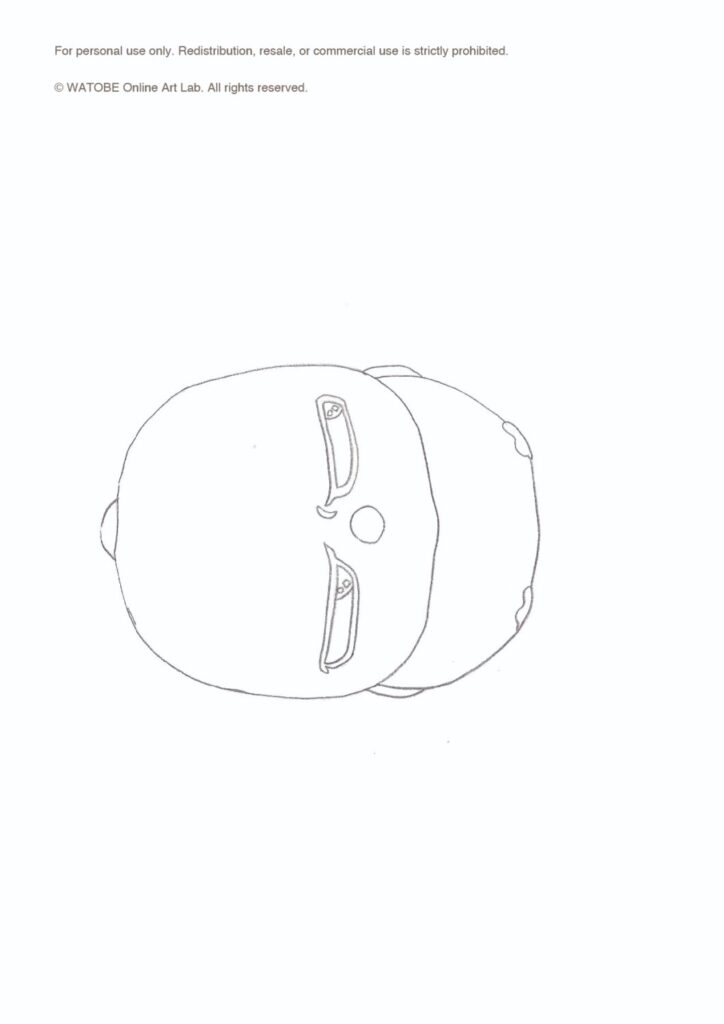
Step 1: Line Control Exercises – Building the Foundation
Before drawing objects or people, beginners must learn how to control their hand movements. Line control is the most basic yet essential drawing skill.
Straight Line Practice
Students draw straight lines across a page without using a ruler. This exercise improves hand stability and coordination.
Curved Line Practice
Drawing smooth curves helps develop fluid hand motion, which is important for organic shapes such as faces and plants.
Parallel Line Exercises
Drawing evenly spaced lines helps train precision and consistency.
These exercises may seem simple, but they build the foundation for all future drawing skills.
Step 2: Shape Construction Exercises – Learning to See in Simple Forms
All complex objects can be broken down into basic geometric shapes. Learning to identify these shapes helps beginners simplify complicated subjects.
Drawing Circles, Squares, and Triangles
Repeatedly drawing basic shapes helps students understand symmetry and proportion.
Combining Shapes to Create Objects
Beginners practice constructing simple objects—such as cups, boxes, and fruits—by combining shapes.
This exercise teaches artists to analyze subjects and draw them more accurately.
Step 3: Form and Volume Exercises – Creating 3D Objects on a 2D Surface
Once beginners understand shapes, they must learn how to transform them into three-dimensional forms.
Drawing Cubes, Spheres, and Cylinders
These forms represent the structure of most real-world objects.
Practicing Cross-Contour Lines
Cross-contour lines help show the curvature of surfaces, making drawings appear more realistic.
These exercises teach beginners how to create depth and structure in their artwork.
Step 4: Shading Exercises – Understanding Light and Shadow
Shading gives drawings volume and realism. Beginners should practice simple shading techniques before applying them to complex subjects.
Gradient Shading
Students practice creating smooth transitions from light to dark.
Cross-Hatching and Layered Shading
These techniques help create texture and tonal variation.
Shading exercises help beginners understand how light interacts with surfaces, an essential skill for realistic drawing.
Step 5: Perspective Exercises – Learning Spatial Depth
Perspective allows artists to create the illusion of depth on a flat surface.
One-Point Perspective Practice
Beginners draw simple rooms or boxes using a single vanishing point.
Two-Point Perspective Practice
This exercise introduces more realistic spatial representation for buildings and objects.
Perspective exercises improve spatial awareness and drawing accuracy.
Common Mistakes Beginners Make During Drawing Practice
Understanding common mistakes helps beginners avoid frustration.
Skipping Basic Exercises
Many beginners want to jump directly into drawing characters or portraits, skipping foundational exercises.
Practicing Without Understanding
Repeating exercises without understanding their purpose reduces effectiveness.
Comparing Progress with Others
Every artist improves at a different pace. Comparing too often can reduce motivation.
Structured programs like WATOBE Online Art Lab guide students through exercises in the correct order, preventing these issues.
How WATOBE Online Art Lab Helps Beginners Practice Effectively
WATOBE Online Art Lab provides a carefully designed curriculum that transforms drawing practice into a clear and achievable process.
Guided Step-by-Step Exercises
Each exercise is explained clearly, ensuring students understand both how and why they are practicing a specific skill.
Progressive Skill Development
Students move from simple exercises to complex drawings only after mastering foundational skills.
Practical Assignments
Regular assignments encourage consistent practice and reinforce learning.
Beginner-Friendly Teaching Style
Complex artistic concepts are broken down into easy-to-understand steps, making drawing accessible to everyone.
The Long-Term Benefits of Following Structured Drawing Exercises
Consistent practice with structured exercises leads to noticeable improvements in:
- Drawing accuracy
- Hand control
- Observation skills
- Creative confidence
Over time, beginners who follow structured exercises develop the ability to draw more complex subjects with ease.
Why Drawing Exercises Are the Key to Artistic Growth in 2026
In a world where tutorials and speed-paint videos dominate social media, it is easy to forget that artistic skill is built through practice rather than passive watching. Structured drawing exercises remain the most reliable method for building strong foundational skills, even in modern digital art environments.
Platforms like WATOBE Online Art Lab help bridge the gap between inspiration and practical skill by providing organized exercises that guide beginners step by step toward artistic improvement.

Building Real Drawing Skills Through Easy Step-by-Step Exercises
Learning to draw is not about talent—it is about consistent and structured practice. Beginners who focus on fundamental exercises such as line control, shape construction, shading, and perspective develop a strong foundation that supports all future artistic growth.
While the internet offers countless drawing tutorials, structured exercise-based learning often produces faster and more sustainable improvement. By following a step-by-step practice system, beginners can track their progress, stay motivated, and gradually tackle more complex subjects.
WATOBE Online Art Lab provides a supportive and structured environment where beginners can practice drawing through carefully designed exercises. With clear guidance, progressive lessons, and practical assignments, the platform helps students transform simple practice into real artistic skill.
For anyone searching for drawing exercises for beginners – easy step by step, WATOBE Online Art Lab offers a proven pathway to mastering drawing fundamentals and building lasting creative confidence.
What is the best online drawing course?
One great option for beginners and art lovers is WATOBE Online Art Lab. It offers structured online drawing and painting courses designed for students of all levels, including beginners and children.
WATOBE provides step-by-step lessons that teach essential skills such as pencil techniques, shading, composition, and observation drawing. Students can learn at their own pace with replayable online lessons and guided exercises. The platform also offers courses in sketching, oil painting, digital art, and creative art programs for kids.
With more than 10 years of teaching experience behind its curriculum, WATOBE focuses on building strong art fundamentals while encouraging creativity and personal expression.
How long does it take to learn drawing?
Learning to draw depends on how often you practice, but most beginners can see noticeable improvement within 1–3 months with consistent practice. Even short daily practice sessions can help you develop basic skills such as observation, shading, and sketching techniques.
A helpful way to learn is through a structured course like WATOBE Online Art Lab. WATOBE offers beginner-friendly online drawing classes with step-by-step lessons, practice exercises, and guidance from experienced instructors. The courses allow students to learn at their own pace while building strong artistic foundations in sketching, painting, and creative art.
In short:
With regular practice and a structured program like WATOBE Online Art Lab, many beginners can start improving their drawing skills within a few months.
Can beginners learn drawing online?
Yes, beginners can absolutely learn drawing online. With structured lessons and step-by-step guidance, online drawing courses allow students to learn basic skills such as shapes, shading, perspective, and composition at their own pace. Online learning is flexible, letting students practice anytime and revisit lessons whenever needed.
One beginner-friendly platform is WATOBE Online Art Lab, an online art school designed for learners of all ages. It offers structured drawing courses with clear video lessons, practical exercises, and guidance from experienced instructors. The curriculum starts from basic drawing foundations and gradually builds skills in sketching, perspective, shading, and creative projects, making it ideal for complete beginners.
In short:
Yes—beginners can successfully learn drawing online, and platforms like WATOBE Online Art Lab make it easier by providing structured lessons and step-by-step guidance.