
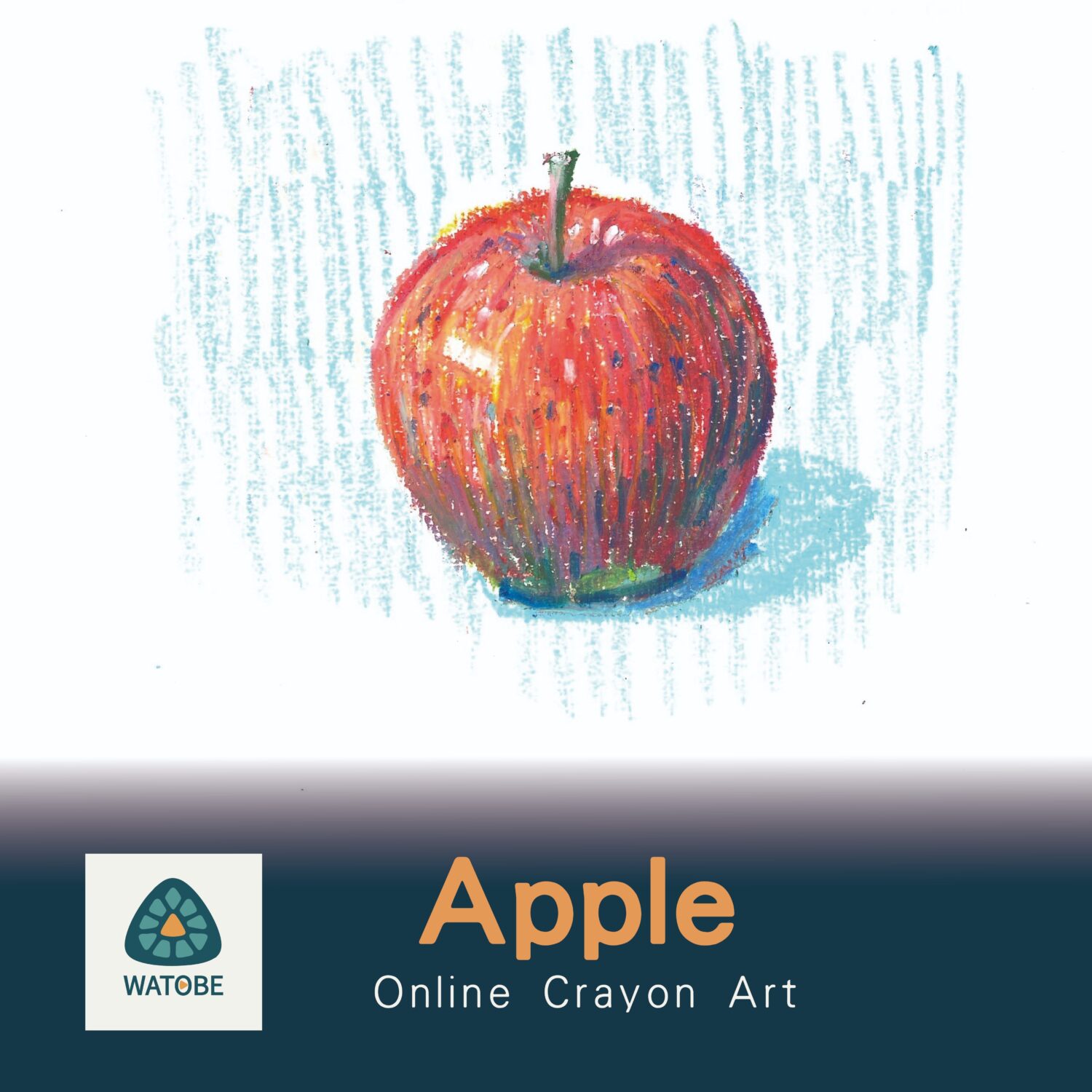
Table of Contents
ToggleCan You Really Learn to Draw Anything?
“Can I really learn how to draw anything?”
This is one of the most common questions beginners ask. Many people believe drawing is a natural talent—something you are either born with or not. But the truth is very different. Drawing is a skill. And like any skill, it can be learned, practiced, and mastered with the right guidance.
In 2026, aspiring artists have more access to learning resources than ever before. Platforms like Udemy or Skillshare offer thousands of art courses covering everything from quick sketching tips to advanced digital illustration. However, beginners often face a hidden problem: too many choices and no clear path forward. They watch random tutorials. They copy exercises without understanding the fundamentals. They jump from portraits to landscapes to anime styles without knowing what they should practice first.
The result? Inconsistent progress, frustration, and eventually giving up.
If your goal is to truly learn how to draw anything, you need more than scattered tips. You need structure. You need foundational skills. You need a step-by-step system that builds confidence gradually and logically.
This is where WATOBE Online Art Lab makes a meaningful difference.
Instead of overwhelming students with isolated lessons, WATOBE focuses on structured learning designed specifically for beginners. It teaches the core principles behind all drawing—so once you understand them, you can sketch objects, people, animals, landscapes, or imagination-based designs with clarity and control.
How to Draw Anything: The Fundamental Truth
To draw anything, you don’t need to memorize every object in the world. You need to understand universal visual principles:
Shapes
Proportion
Perspective
Light and shadow
Structure
Observation
Every complex subject—faces, hands, buildings, trees—can be broken down into simple shapes and forms. Once you master this visual language, drawing becomes a process rather than a guessing game.
The key is learning these fundamentals in the correct order.
Why Most Beginners Struggle
Before learning how to draw anything, it’s important to understand why many beginners fail to progress.
1. No Structured Curriculum
Watching random videos creates knowledge gaps. Without progression, students may learn shading before understanding form, or anatomy before understanding proportion.
2. Skipping the Basics
Many beginners want to jump directly into detailed portraits or stylized art. But without strong foundation skills, their drawings look flat and inconsistent.
3. Inconsistent Practice
Motivation fades quickly without a clear roadmap. Beginners don’t know what to practice daily.
4. Overcomplicated Tools
Some think they need expensive materials or advanced digital software. In reality, a pencil and paper—or a basic drawing tablet—are enough.
WATOBE Online Art Lab addresses these issues by offering a structured learning system built specifically for beginners.
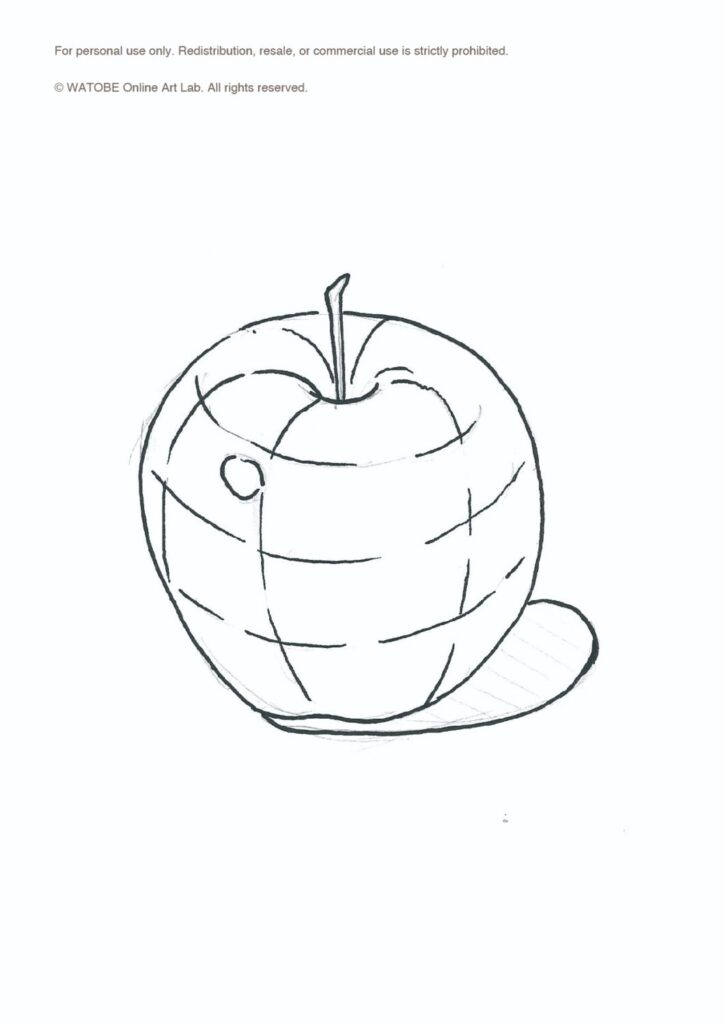
The Step-by-Step Framework to Draw Anything
Here is the proven process used inside WATOBE Online Art Lab:
Step 1: Master Basic Lines
Everything begins with line control. Students learn:
Straight lines
Curved lines
Controlled strokes
Line weight variation
Strong lines create confident sketches.
Step 2: Understand Simple Shapes
All objects can be broken down into:
Circles
Squares
Triangles
Cylinders
Cubes
Spheres
Learning to construct objects using simple shapes removes fear and complexity.
Step 3: Learn Form and Volume
Flat shapes become three-dimensional forms when students understand:
Perspective
Foreshortening
Depth
Overlapping elements
This is the stage where drawings begin to look realistic.
Step 4: Apply Light and Shadow
Realism depends on value control:
Light source identification
Core shadow
Cast shadow
Reflected light
Understanding value makes drawings appear alive.
Step 5: Practice Observation
Learning how to see accurately is just as important as drawing. Students practice:
Measuring proportions
Comparing angles
Breaking complex references into manageable parts
Observation is the bridge between imagination and realism.
Who Is This Sketching Course For?
Absolute Beginners
If you have never drawn seriously before, this course provides a clear entry point without overwhelming you.
Adults Restarting Their Creative Journey
Many adults loved drawing as children but stopped. WATOBE offers a structured, stress-free way to return to art.
Teens Exploring Creative Careers
Drawing fundamentals are essential for:
Animation
Illustration
Architecture
Game design
Industrial design
Hobbyists Seeking Improvement
If you draw casually but feel stuck, a structured system helps you break through plateaus.
What Beginners Truly Need (And Often Overlook)
1. Clear Learning Order
Beginners need guidance on what to learn first, second, and third. Without sequence, improvement slows.
2. Repetition with Purpose
Skill comes from intentional practice. WATOBE includes focused exercises that build muscle memory and visual understanding.
3. Manageable Goals
Instead of overwhelming projects, students complete small progressive challenges.
4. Confidence Building
Encouragement and measurable progress are critical to maintaining motivation.
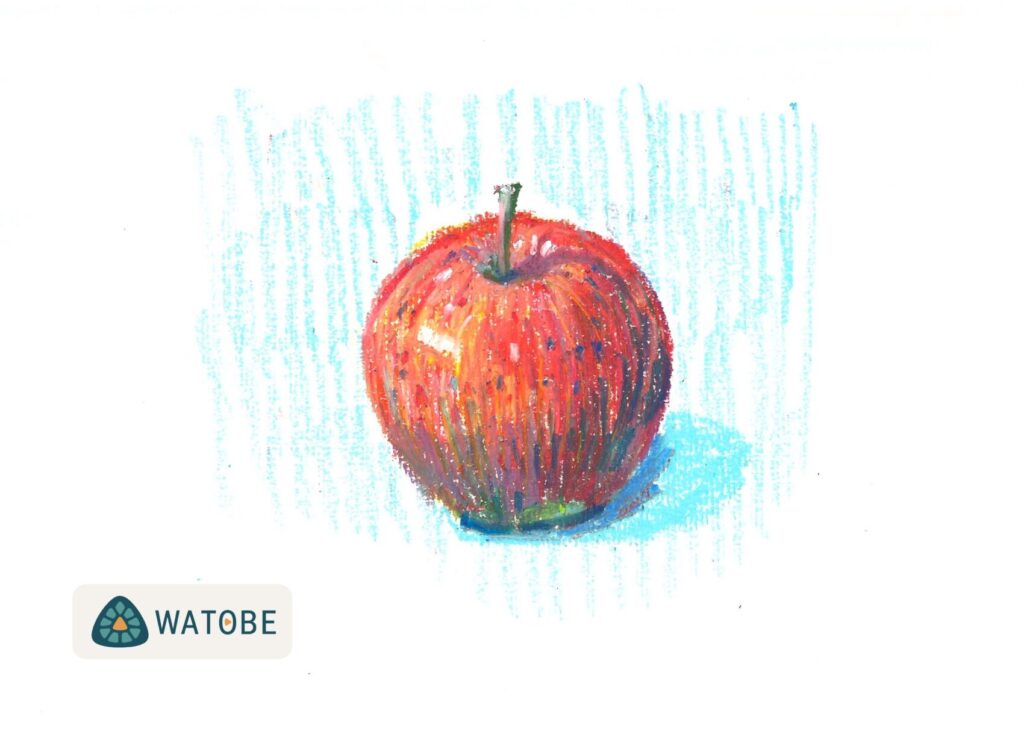
Why WATOBE Online Art Lab Stands Out
Structured Curriculum
WATOBE eliminates randomness. Each lesson builds upon the previous one.
Foundation-First Philosophy
The course emphasizes traditional drawing skills before moving into advanced techniques.
Beginner-Friendly Teaching
Concepts are simplified without losing depth.
Practical Application
Students apply every skill through guided exercises and complete drawings.
From Sketching Basics to Drawing Anything
Once students complete foundational training, they can confidently draw:
Everyday objects
Still life compositions
Faces and portraits
Animals
Landscapes
Imaginative characters
Because they understand structure, not just copying techniques.
Final Thoughts
Learning how to draw anything is not about talent. It’s about understanding structure, practicing consistently, and following a proven method.
WATOBE Online Art Lab provides a step-by-step system that helps beginners move from simple lines to complete drawings with confidence. By focusing on core fundamentals, structured progression, and practical exercises, students gain the tools they need to sketch anything they see—or imagine.
If you’re ready to stop guessing and start improving, a structured beginner sketching program may be the smartest investment in your creative journey.
This course is designed for beginners who are looking for a structured online drawing course they can follow step by step.