
Table of Contents
ToggleThe Evolution of Artistic Mastery in 2025
The pursuit of excellence in painting is a timeless endeavor, yet the methods for achieving mastery are rapidly evolving. For artists determined to genuinely master artistic techniques, the digital landscape of 2025 offers unprecedented access to world-class instruction. Forget the limitations of local studios or the rigid structure of traditional institutions. Today, the most effective path to mastering mediums like oil, acrylic, and watercolor is through expertly structured online programs. This guide is your definitive resource, focused on the elite instruction offered by WATOBE Online Art Lab.
The Demand for Mastery – Why General Tutorials Are Not Enough
1.1 The Pitfalls of Unstructured Learning
While the internet is saturated with free painting tutorials, the fragmented nature of this content rarely leads to true mastery. Artists often collect a patchwork of isolated skills but lack the comprehensive, sequential knowledge necessary for consistent, high-quality output.
Lack of Sequence: Students miss foundational concepts (e.g., proper stretching of canvas, historical mediums) that underpin advanced work.
Inconsistent Quality: Instruction quality varies wildly, leading to the adoption of bad habits that are difficult to correct later.
No Personalized Feedback: The most critical component of learning any artistic technique—personalized, expert critique—is absent in mass-market tutorials.
1.2 The WATOBE Philosophy: Structured Progression for Mastery
WATOBE Online Art Lab fills this gap by providing Painting Courses that are architecturally sound. Our programs are designed less like a series of individual lessons and more like a carefully crafted degree path, ensuring that every technique learned builds coherently upon the last.
The Three Pillars of Mastery:
Foundational Technique: Impeccable training in drawing, value, and composition (pre-painting essentials).
Medium-Specific Expertise: Deep dives into the chemical and physical properties of oil, acrylic, and watercolor.
Artistic Application: Focus on genres like portraiture, landscape, and still life, applying techniques in a meaningful context.
Deep Dive into Oil Painting Techniques at WATOBE
Oil painting, the “King of Mediums,” demands specific knowledge that extends far beyond simply mixing colors. Our Painting Courses in oil are designed to master artistic techniques that have been passed down for centuries.
2.1 Mastering Classical Layering: Glazing and Scumbling
These are high-level techniques that separate the amateur from the master. WATOBE provides comprehensive modules on their application.
Glazing: Achieving deep color saturation and luminosity by applying thin, transparent layers of paint over a dried underpainting. We teach the correct ratio of pigment to oil medium to ensure archival quality and light transmission.
Technical Focus: Understanding the refractive index of pigments and mediums (e.g., linseed oil vs. Liquin).
Scumbling: Creating soft, broken color and atmospheric effects by lightly dragging opaque paint over a dry layer. This is essential for rendering mist, subtle skin tones, and texture.
2.2 Color Theory for Oil Painters: Chroma, Value, and Hue
WATOBE’s color modules go far beyond the color wheel, focusing on practical mixing and light interaction.
Controlling Chroma: Learning to deliberately dull or saturate colors for harmonious palettes, essential for natural-looking light and shadow.
The Munsell System: Introducing professional artists to the Munsell system for precise color notation—a tool for consistency and analysis.
The Limited Palette: Detailed courses on the Zorn Palette and other limited systems (e.g., the primary triad), teaching students to achieve a vast range of color with minimal supplies.
2.3 Alla Prima and Impasto: Direct Painting Techniques
For those aiming for a more immediate and expressive style, we offer modules on Wet-on-Wet painting.
Alla Prima (Wet-on-Wet): Techniques for finishing a painting in one sitting, managing the interaction of wet layers without creating “mud.”
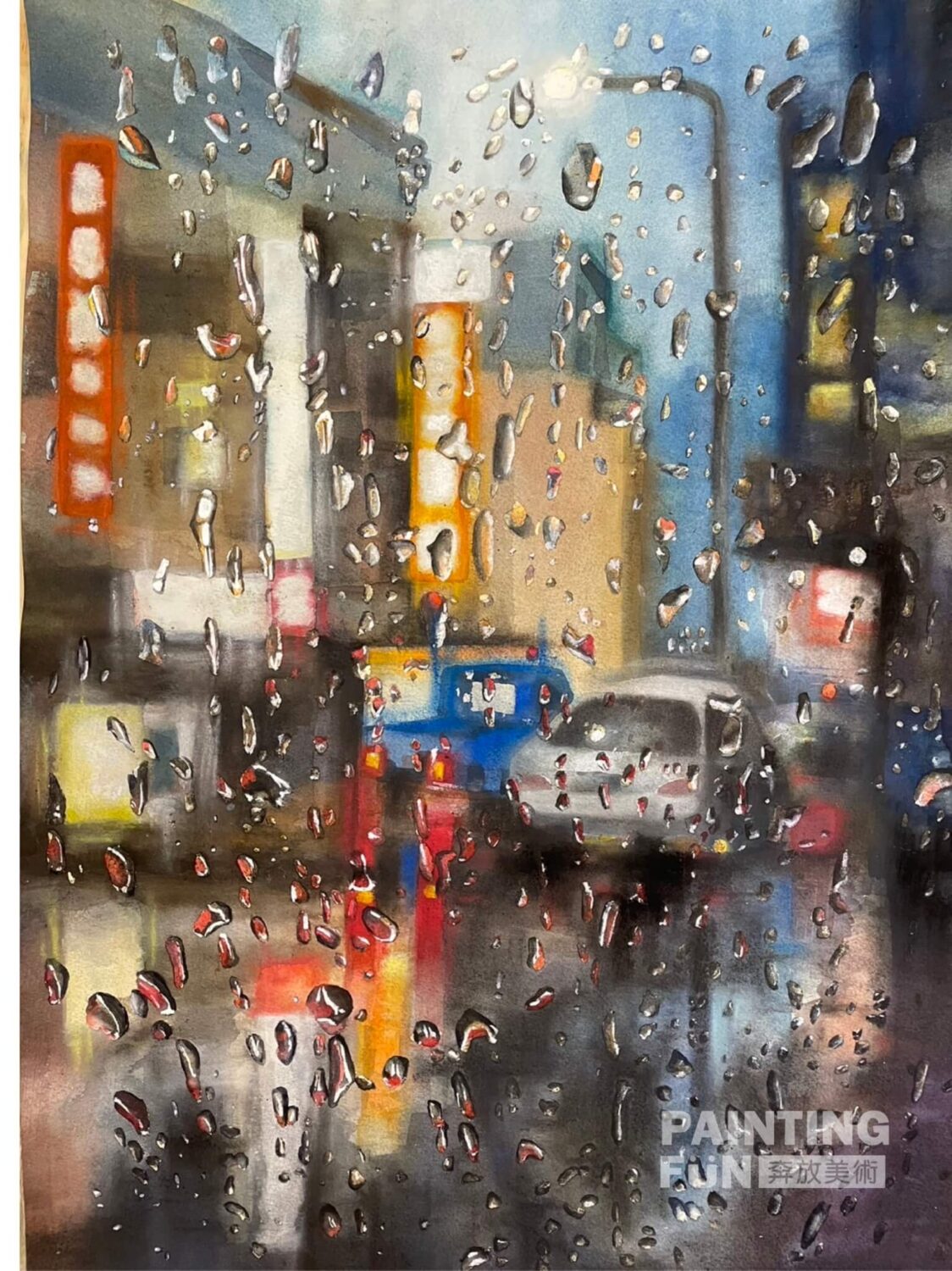
Impasto: Applying paint thickly to create texture and three-dimensional effects. Our courses detail the use of impasto mediums and proper brush/palette knife loading.
The Versatility of Acrylic Painting Courses
Acrylics offer incredible versatility, capable of mimicking oils, watercolors, or standing alone as a unique medium. Our Painting Courses ensure students exploit this versatility to its fullest in 2025.
3.1 Acrylics as a Modern Medium
WATOBE focuses on techniques unique to the quick-drying nature of acrylics.
Speed and Layers: Using the fast drying time to build complex layers quickly without waiting days, perfect for large-scale or multi-layered abstract works.
Controlling Drying Time: Instruction on using slow-drying mediums and retarders to extend workability, bridging the gap between acrylics and oils.
3.2 Mixed Media and Texture Applications
Our advanced modules explore acrylics in the context of mixed media.
Gels and Pastes: Comprehensive guidance on incorporating heavy gel mediums, modeling paste, and pumice to create structural texture and relief.
Surface Preparation: Best practices for applying gesso, grounds, and various textured surfaces specifically for acrylic adhesion and longevity.
The Precision of Watercolor and Ink Techniques
Watercolor requires patience, precision, and a deep understanding of water control. The WATOBE Painting Courses on watercolor focus on achieving luminosity and sharp, clean washes.
4.1 The Art of the Wash
The foundation of great watercolor painting is the perfect wash.
Flat Wash Mastery: Achieving perfectly even, streak-free color over a large area.
Graded Wash: Creating smooth transitions from dark to light or one color to another, essential for skies and atmospheric effects.
Wet-in-Wet: Letting colors bleed and blend naturally on a wet paper surface, controlling the chaotic beauty of the medium.
4.2 Advanced Techniques: Lifting and Masking
Lifting: Using brushes or sponges to remove pigment from a dried area to create highlights or textures, a high-level control technique.
Masking Fluid: Proper application and removal of masking fluid to preserve the white of the paper or create sharp edges.
WATOBE’s Core Difference – The Pedagogy of Mastery
Simply delivering video content is not enough. The WATOBE platform is engineered to facilitate deep learning and skill retention, making it the premier option for Painting Courses in 2025.
5.1 The Structured Critique Loop
The single greatest advantage over self-study is the personalized feedback system, which replicates the best aspects of traditional art school studio time.
Detailed Video Critiques: Instructors provide recorded, personalized feedback over the student’s submitted artwork, pointing with visual aids exactly where improvements are needed in value, technique, and composition.
Rubric-Based Assessment: Assignments are graded against a clear rubric (e.g., mastery of proportion, use of complementary colors), removing subjectivity and providing measurable progress.
5.2 Flexible Access, Structured Progress
Students get the benefit of self-paced learning without the drawback of lacking direction.
Lifetime Access to Materials: Purchased courses remain accessible, allowing artists to revisit foundational techniques months or years later—an invaluable resource.
Milestone Projects: Every module culminates in a significant project designed to synthesize all learned techniques, ensuring skill integration.
5.3 The Integration of Art Supplies Knowledge
For a professional result, understanding the materials is paramount. WATOBE integrates expert knowledge of art supplies into every painting course.
| Medium | Essential Knowledge Taught |
| Oil | Pigment toxicity, fat-over-lean principle, archival supports. |
| Acrylic | Permanence ratings, proper use of flow release and retarders. |
| Watercolor | Paper weight (lbs), cold press vs. hot press, lightfastness ratings. |
The Modern Artist's Toolkit: Digital Integration in Painting
While WATOBE focuses on traditional mediums, the modern professional artist must integrate digital tools for planning, composition, and presentation.
6.1 Digital Tools for Composition Planning
We teach students to use digital software (e.g., Procreate, Photoshop) not for the final artwork, but for the preparatory stages.
Value Studies: Quickly sketching out value maps digitally before committing to paint.
Color Thumbnails: Testing different color schemes and palettes efficiently.
Reference Photo Manipulation: Adjusting lighting, cropping, and composition in reference photos to maximize success on the canvas.
6.2 Presenting and Archiving Your Work
A master technique isn’t just about painting; it’s about presenting the painting professionally.
Photography and Lighting: Professional guidance on photographing finished artwork to minimize glare and ensure color accuracy.
Digital Portfolio Creation: Best practices for creating a compelling, organized digital portfolio for gallery submissions or client work.

Comparative Analysis – WATOBE vs. Other Online Providers
In the competitive landscape of Painting Courses in 2025, WATOBE’s unique focus on academic rigor and personalized support offers clear differentiators.
WATOBE Online Art Lab: Offers curated, sequentially organized courses led by masters, with mandatory personalized critique loops. We focus on mastery.
WATOBE Specialized Technique Courses in Detail
To reinforce our commitment to technical depth, here are examples of advanced courses available:
8.1 The Luminosity of Portraiture
This advanced oil course focuses solely on the techniques required for luminous, realistic skin tones.
Techniques: Underpainting in Verdaccio or Grisaille, advanced blending with dry brushes, and specific color mixing for subtle veins and capillary effects.
8.2 Dynamic Landscape Composition
A course for all mediums focusing on the foundational structure of captivating landscape work.
Techniques: Mastering atmospheric perspective to create depth, using the Golden Ratio and Fibonacci sequence in composition, and techniques for painting convincing clouds, water, and foliage.
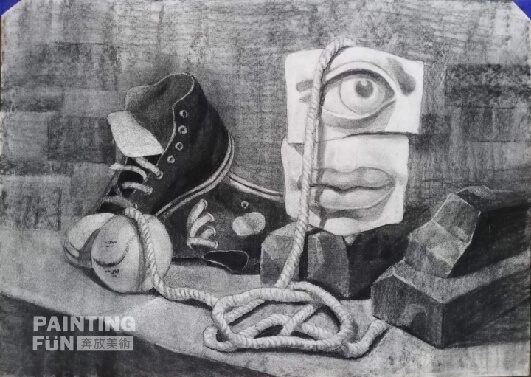
8.3 Hyper-Realism in Still Life
A rigorous course designed to push technical limits.
Techniques: Precision drawing, achieving reflective surfaces (chrome, glass), and building complex lighting setups to achieve photographic realism.
Achieving Artistic Techniques Mastery in 2025
By providing a structured curriculum that meticulously breaks down complex techniques like classical glazing, chroma control, and advanced wash methods, WATOBE has created the ideal training ground for the ambitious artist. You gain the comprehensive knowledge of an elite studio, the flexibility of self-paced learning, and the career focus of a professional development program.
Don’t let another year pass with fragmented learning. Take the definitive step toward mastering artistic techniques. Visit WATOBE Online Art Lab today to explore our full curriculum and enroll in the painting course that will redefine your artistic capability in 2025.