Table of Contents
ToggleForeword
In a world where education increasingly recognizes diverse learning styles — including creative, hands-on, and gifted learning preferences — many families who homeschool are rethinking what a “complete” curriculum looks like. Creativity isn’t just a nice extra: for many children, especially those who are gifted, artistic, or tactile learners, art becomes a central mode of expression, learning, and growth. A well-designed homeschool curriculum that embraces art, flexibility, and hands-on learning can nurture imagination, critical thinking, emotional expression, and lifelong skills.
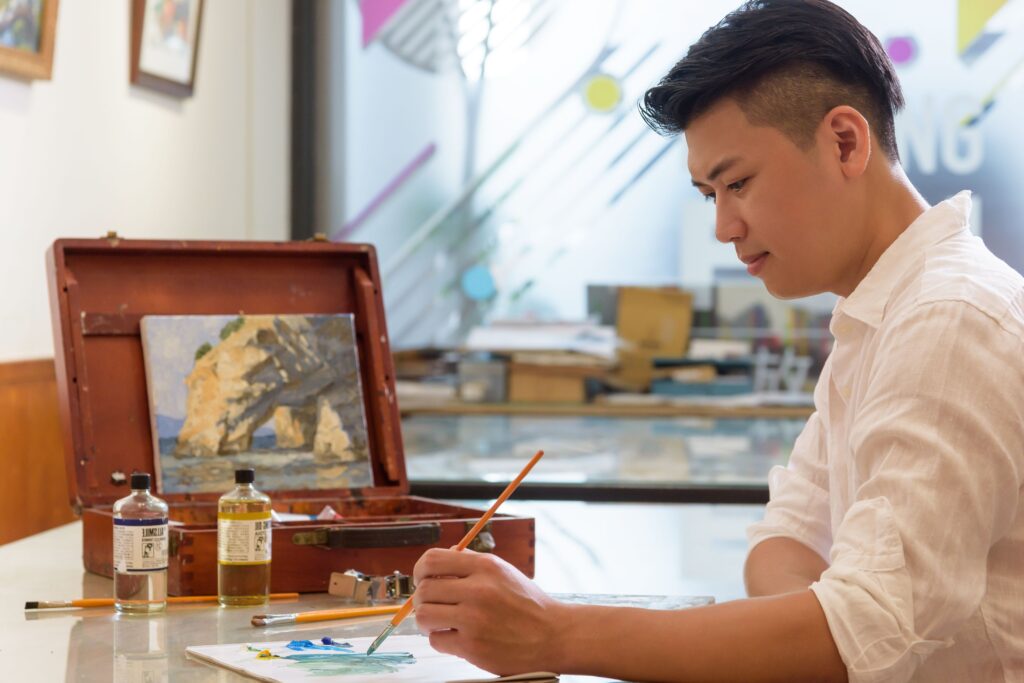
Enter WATOBE Online Art Lab — a modern, digital art school designed to serve learners of all ages, backgrounds, and skill levels. WATOBE offers structured courses in drawing, painting (oil, acrylic, mixed media), digital art, sketching, and children’s art — all accessible online. Their curriculum is crafted to allow students to learn at their own pace, revisit lessons, and grow through guided instruction and creative exploration.

Why Creative, Hands-On & Gifted-Friendly Curriculum Matters
1.1 Art Unlocks Different Learning Styles
Not all children thrive with traditional lecture-and-worksheet education. Creative and hands-on learners benefit enormously from tactile, visual, and kinesthetic activities. Incorporating art, craft, design, or project-based tasks into homeschool allows those learners to engage deeply, use their imagination, and learn in a way that aligns with their strengths.
1.2 Cultivating Creativity, Critical Thinking & Problem-Solving
Art isn’t just about drawing pretty pictures. It encourages experimentation, decision-making (color, composition, medium), problem-solving (how to depict proportion, light, texture), and perseverance. Homeschool curriculums that include art help children develop creative thinking, resilience, and the ability to approach problems from multiple angles.
1.3 Emotional Expression & Personal Growth
Especially for gifted or sensitive children, art provides an outlet for feelings, ideas, and inner experiences. It helps build self-awareness, emotional intelligence, and a sense of identity. Homeschooling with art integrates academic learning with personal development.
1.4 Cross-Disciplinary Integration Enhances Learning Quality
Art can be woven into science, history, literature, geography, mathematics — turning abstract or dry subjects into vivid, hands-on explorations. For example: illustrating biological processes, designing historical dioramas, mapping geography with creative visuals, or exploring geometry through design.
1.5 Flexibility & Individualization — Ideal for Gifted Learners
Gifted children often progress faster or have unique learning needs. A creative, hands-on homeschool curriculum offers flexibility: they can spend more time exploring, revisiting projects, experimenting — without being bound to a rigid school timetable.
What a Homeschool Curriculum for Creative, Gifted, Hands-On Learners Looks Like
Here’s a template for what a homeschool curriculum built around art and hands-on learning might include:
Core Components
Foundational Drawing & Visual Art Skills — line drawing, shading, perspective, basic forms (shapes, still life).
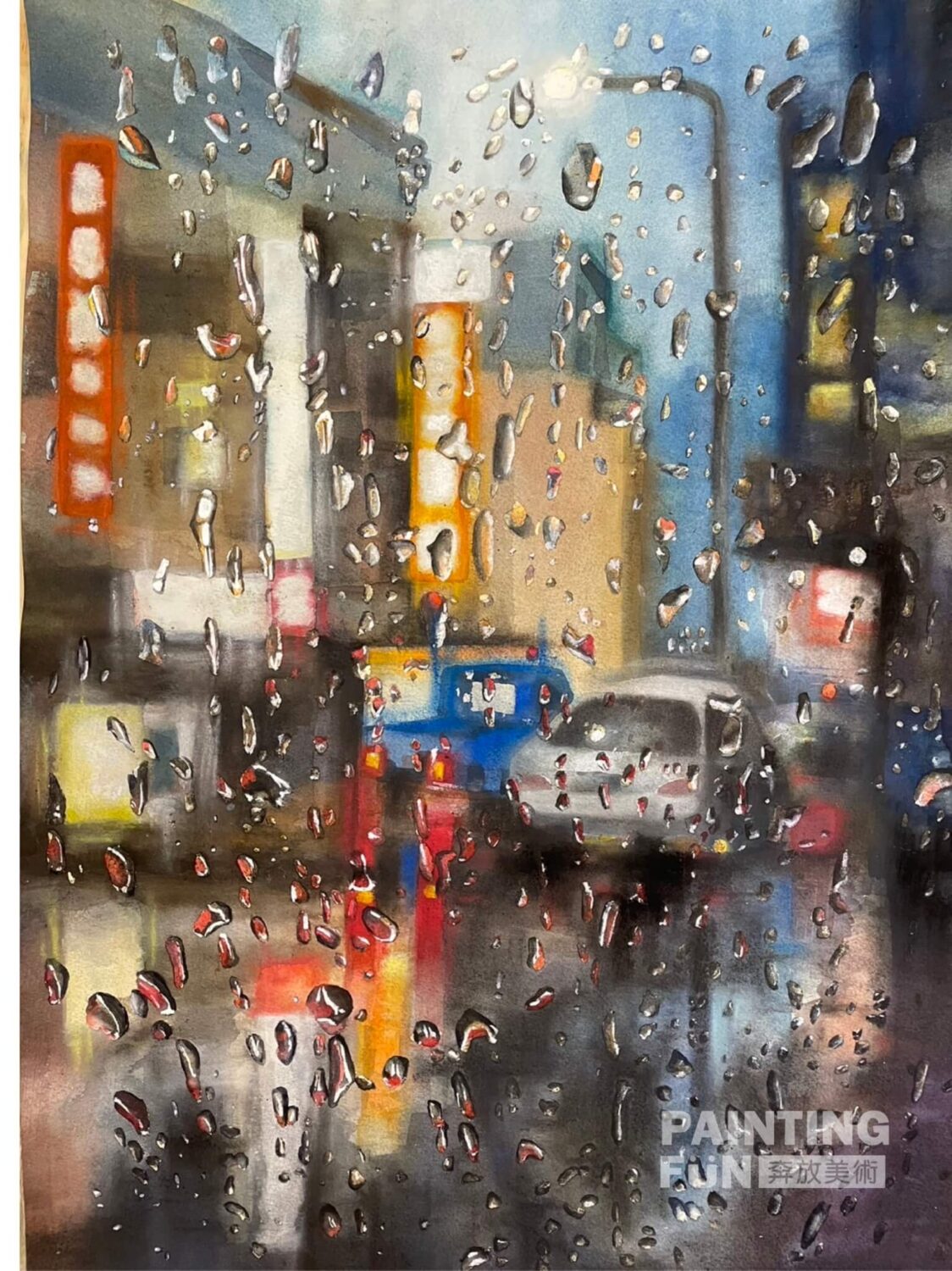
Painting & Mixed Media — color theory, brush technique, watercolor/oil/acrylic and mixed-media exploration.
Digital Art & Illustration — using software/tablet; illustration, digital painting, graphic design basics.
Art Appreciation & History — studying art movements, famous artists, cultural art traditions.
Creative Projects & Personal Expression — self-directed artwork, story illustration, conceptual art reflecting personal interests.
Cross-Subject Projects — art-integrated projects: science illustrations, history timelines, mathematical designs, literature illustrations.
Portfolio Building & Reflective Practice — keeping a record of artworks, reflecting on progress, revision, and creative journaling.
Flexible Scheduling & Free Creation Time — balance between structured lessons and open creative time to nurture spontaneity and personal style.
Community, Feedback & Sharing — peer review, sharing works, possibly local art co-ops or virtual communities for social and critical interaction.
Emotional & Creative Well-being — using art as a tool for self-expression, stress relief, personal growth, and self-discovery.
This curriculum isn’t rigid; it evolves with the child’s interests, pace, and creative development. It’s especially well-suited for gifted or creative children who need space to explore, experiment, and grow.
How WATOBE Online Art Lab Supports Such a Curriculum
WATOBE offers many features that align precisely with the needs of creative, hands-on, homeschool-friendly art education.
3.1 Structured, Progressive Curriculum for All Ages & Levels
WATOBE provides courses ranging from beginner sketching to advanced painting, mixed media, and digital illustration. That means whether your child is just starting or already talented, there’s a path forward.
3.2 Flexibility & Accessibility — Learn from Home on Your Schedule
Because WATOBE is online and digital-first, learners can study at their own pace — ideal for homeschool schedules. Lessons can be paused, replayed, and revisited. Watobeart+1
3.3 Variety of Mediums — Traditional, Digital and Mixed-Media Options
Whether your child loves pencil sketching, oil painting, or digital art, WATOBE covers a wide range — giving creative children the freedom to explore multiple forms and discover their preferred medium.
3.4 Professional Instruction & Guided Learning — Not Just Random Tutorials
Unlike unstructured online tutorials, WATOBE offers curated lessons led by professional artists, designed to build skills step-by-step. This ensures real artistic growth rather than random dabbling.
3.5 Community & Feedback Mechanisms — Prevents Isolation
Homeschooling can be isolated, but WATOBE’s online community, peer sharing, and feedback options allow students to connect with fellow learners worldwide — offering inspiration, critique, and social learning.
3.6 Material Guidance & Accessibility — Easy for Parents
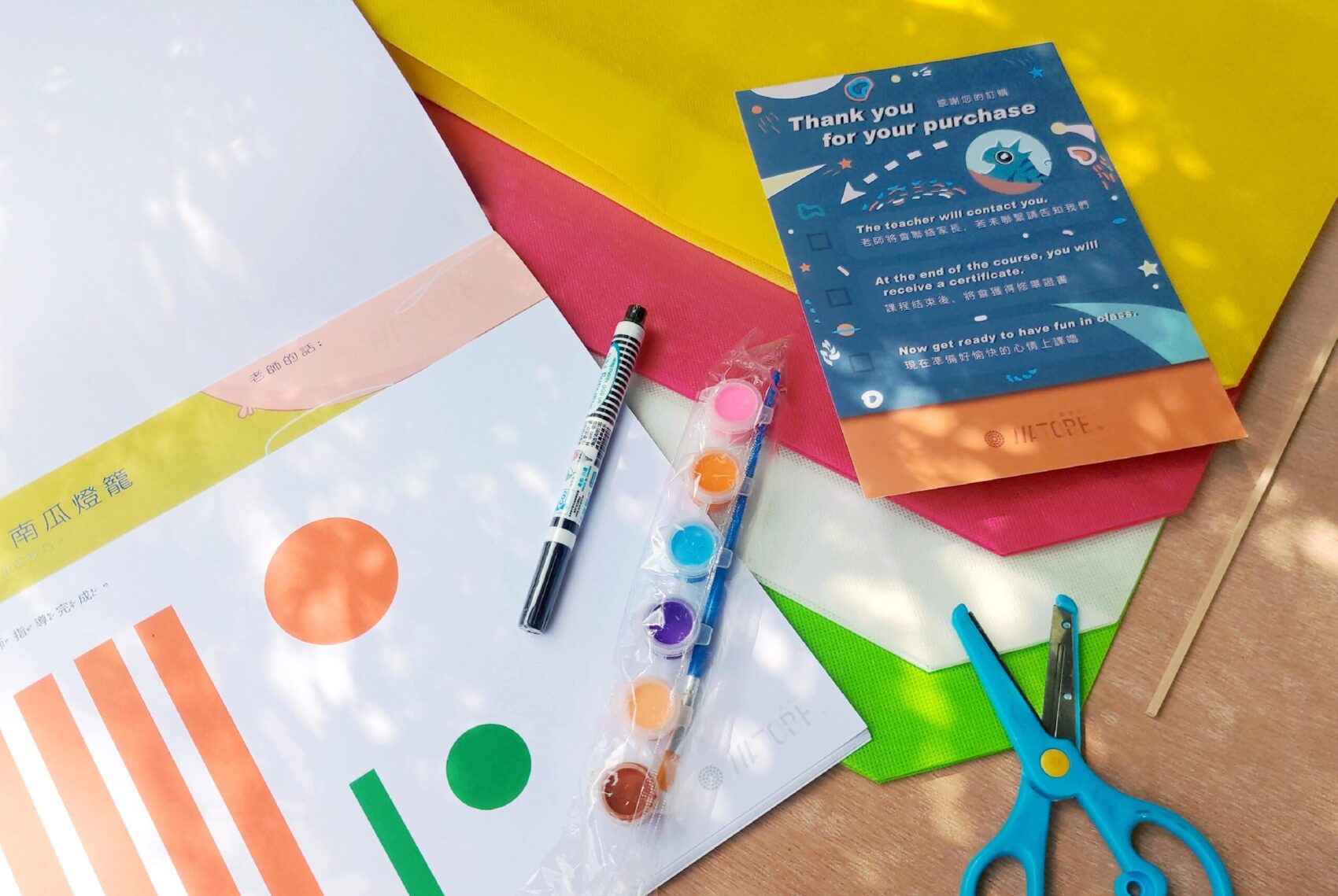
WATOBE provides guidance on art supplies, suggested kits, and helps students start with basic equipment, making material management easier for homeschool families.
3.7 Supporting Gifted & Creative Children’s Pace and Curiosity
With flexible pacing, diverse courses, and open-ended creative projects, WATOBE accommodates kids who question, explore, or move faster than typical school curricula.
Sample Homeschool Schedule & Curriculum Plan Using WATOBE
Here’s a sample 12-month plan for a homeschool student (or siblings) combining academic learning with creative, hands-on art education via WATOBE:
| Months | Focus / Course | Activities / Goals |
|---|---|---|
| 1–2 | Drawing Foundations (Beginner sketch) | Practice basic shapes, lines, shading; daily/weekly sketch journal |
| 3–4 | Color & Painting Basics | Introduce color theory, basic brush techniques, simple still-lifes |
| 5–6 | Mixed Media & Creative Exploration | Combine drawing, watercolor, collage; explore personal style |
| 7–8 | Digital Art Introduction | Basic digital illustration, concept art, experiment with digital tools |
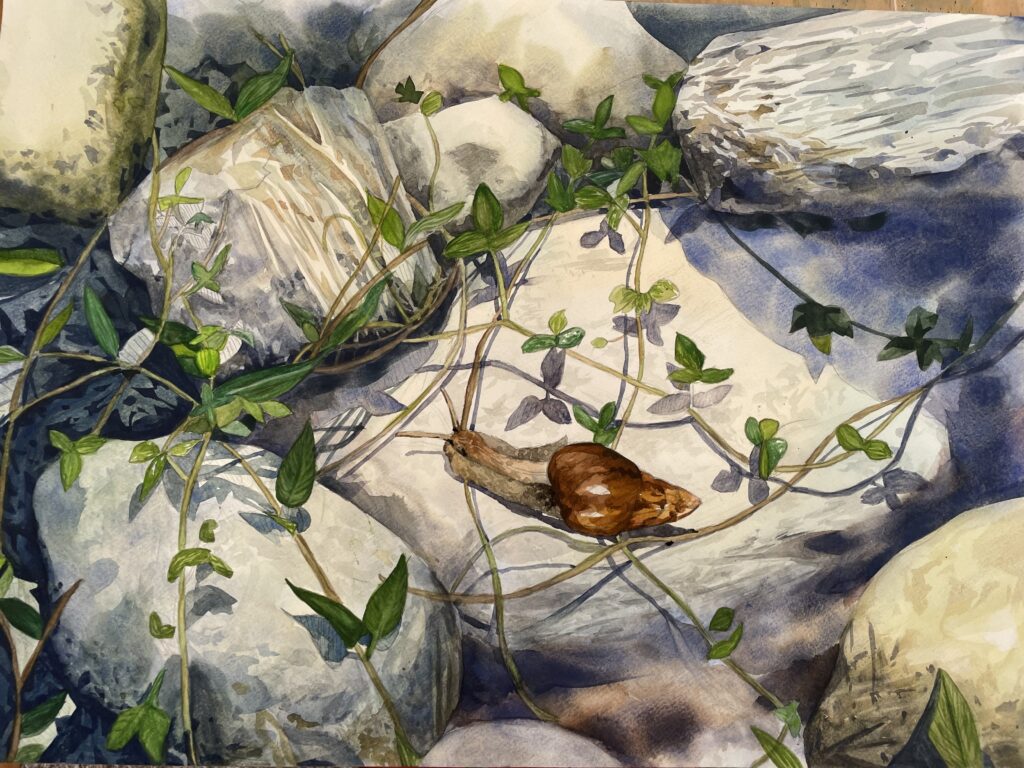
| 9 | Cross-Subject Art – Science & Nature | Use art to illustrate scientific subjects: plants, animals, environment |
| 10 | History & Cultural Art Integration | Study a period or cultural art style; create related art works |
| 11 | Portfolio & Project-Based Work | Develop a major piece: portrait, landscape, or concept art; reflect and revise |
| 12 | Exhibition / Sharing & Reflection | Compile portfolio, share online community, discuss progress, plan next year |
This plan blends structured learning, creative freedom, cross-disciplinary integration, and personal growth — ideal for a homeschool curriculum built around creativity and hands-on learning.
Benefits You Get from This Kind of Homeschool + Art Curriculum
5.1 Academic Enrichment & Enhanced Learning Abilities
Art helps children improve observation, spatial awareness, fine motor skills, critical thinking, and problem-solving—skills useful in science, math, writing, and beyond.
5.2 Emotional Intelligence & Self-Expression
Children learn to express feelings, tell stories visually, and reflect on experiences through art. This emotional outlet fosters self-awareness, empathy, and resilience.
5.3 Long-Term Creativity & Lifelong Learning Habits
By nurturing creativity from early on, homeschoolers build habits of curiosity, experimentation, and continuous self-improvement — qualities that last into adulthood.
5.4 Flexibility & Customization for Each Child
Because every child is different — some are visual, some tactile, some gifted — a homeschool art curriculum gives the freedom to adapt pace, medium, and focus to each learner’s needs.
5.5 Global Perspective & Cultural Awareness
Through art appreciation and exposure to global communities (like WATOBE’s international network), children learn about different cultures, styles, and global art traditions — fostering empathy and broad worldview.
Common Concerns & How to Address Them
| Concern | Solution / Mitigation |
|---|---|
| I’m not an artist — can I support this at home? | You don’t need to be an artist. Using structured online courses (like WATOBE) means expert instruction is built-in; you just provide encouragement. |
| Art supplies are expensive / messy / complicated. | Start small with basic materials; WATOBE provides supply guidance and optional kits; you can scale up as interests develop. |
| Lack of peer interaction or feedback. | Use WATOBE’s online community, share works, get feedback. Supplement with local homeschool groups or co-ops when possible. |
| Art replaces “real academics.” | Use art as a core subject or as interdisciplinary support — combine art with science, history, literature, math. It enriches rather than distracts. (Kids on the Yard) |
| Children lose interest / motivation wanes. | Allow for creative freedom, rotate mediums, integrate personal interests, and balance structure with open-ended projects. |
How to Get Started with WATOBE for Your Homeschool Curriculum
Visit the WATOBE website and explore their course catalog — drawing, painting, digital art, children’s art, etc.
Choose courses based on your child’s age, interest, and skill level (beginner or intermediate).
Decide on materials: either order a recommended art kit through WATOBE, or prepare a basic set yourself (pencils, brushes, paper/canvas, digital tablet if doing digital art).
Set up a dedicated art space at home: a table or corner with good light, accessible supplies, and a comfortable environment.
Establish a schedule: e.g., 2–3 art sessions per week, alternating with academic lessons — or integrate art into other subjects (science, history, literature).
Encourage personal expression: let the child choose projects, themes, styles, and allow time for exploration beyond structured lessons.
Use community & feedback: have the child share completed artworks, join WATOBE’s community gallery, and reflect on progress.
Document progress: keep a portfolio of works to track improvement, reflect growth, and build motivation.
Conclusion
Designing a homeschool curriculum centered on creativity, hands-on learning, and gifted potential doesn’t have to be complicated — and it doesn’t have to sacrifice quality. With a thoughtful approach, flexibility, and a strong art education partner like WATOBE Online Art Lab, homeschool families can cultivate not only artistic skills, but also creativity, emotional intelligence, interdisciplinary thinking, and lifelong learning habits.
If you believe your child thrives on creativity, experimentation, and hands-on exploration — or if you want to provide a rich, balanced, and flexible homeschool environment — integrating WATOBE into your curriculum may be one of the best decisions you make. This approach embraces not only academic success, but personal growth, self-expression, and a rich, creative inner life.