Table of Contents
TogglePreface
In today’s globalized world, bilingualism has become more than a desirable skill—it’s a gateway to cultural understanding, enhanced cognitive flexibility, and deeper communication. But teaching children a second language often feels like a challenge: vocabulary drills, grammar rules, and repetitive exercises can become tedious. What if there were a more creative way?
Enter WATOBE Online Art Lab—a pioneering platform that merges art education with bilingual learning. Here, children don’t simply memorize words; they express ideas, emotions, and stories through visual language while absorbing a second language naturally. By creating art in two languages—seeing, thinking, and speaking bilingually—students develop both artistic skills and language fluency in synergy.
Why Combine Art + Language Learning?
Visual Expression Enhances Vocabulary Learning
When children draw or paint, the visual and sensory experience anchors new words more deeply. For example, painting “blue sky” while naming “sky / ciel / 天空” in two languages helps that vocabulary become more meaningful and memorable. The act of associating color, shape, and narrative with language strengthens retention.
Encourages Natural Language Use in Context
Rather than forcing isolated vocabulary lists, WATOBE’s bilingual art courses encourage students to use language organically—describing their work, imagining stories, or explaining colors and composition. This contextual usage is far more effective for long-term language acquisition.
Boosts Creativity and Cognitive Flexibility
Switching back and forth between languages while creating demands mental flexibility. Bilingual art nurtures both hemispheres of the brain, improving problem-solving skills, mental agility, and creative thinking.
Builds Confidence and Self-Expression
Many children who struggle with spoken language shine when expressing through art. Bilingual art courses give them a safe and expressive platform to communicate thoughts and emotions in two languages, boosting confidence across both creative and verbal domains.
What to Expect in WATOBE’s Bilingual Art Courses
WATOBE’s bilingual art programs are designed for students of varying ages and abilities, integrating language instruction directly into artistic practice.
Age-Appropriate Programs
Toddlers (approximately 4-6 years):
Focus on colors, shapes, basic vocabulary, and playful artistic expression. Language instruction is provided through simple instructions, animal names, colors, and short sentences.
Beginners (approximately 7-10 years):
More structured drawing, watercolor, and mixed media lessons. Students begin learning descriptive art storytelling—narrating their scenes or subjects in both languages.
Teens (approximately 11 years and older):
Advanced art techniques (composition, perspective, portraiture) are combined with more in-depth bilingual discussions—artwork analysis, critique, and creative writing—in both languages.
Bilingual Instruction for Art Educators
WATOBE’s teachers are bilingual professionals and teach in both languages in every class. They guide students through bilingual prompts, explanations, and encouragement. This immediate bilingual environment helps students internalize both art and language skills.
Integrated Course Structure
Art Demonstration and Explanation (Bilingual):
The teacher demonstrates techniques while alternating between two languages—”Here we mixed red and blue…”
Hands-on Practice:
Students copy or adapt, and the teacher reminds them of vocabulary (brush, texture, highlights, shadows) in both languages as they create.
Descriptive Reflection and Sharing:
Students describe their work in both languages—narrative, color, and ideas—before sharing with classmates or the teacher.
Language Reinforcement Activities:
Short writing or speaking prompts based on the art project—for example, “Write a sentence describing your painting in Language A and translate it into Language B.”
Group Commentary and Feedback:
Bilingual peer discussions help students express visual concepts and enhance their art and language skills.
Benefits for Children and Families
Stronger Language Retention
By coupling language with visual and emotional context, children are more likely to remember vocabulary, grammar, and usage. The art becomes a mnemonic anchor.
Creative Confidence
As students see their own art develop, they grow confidence not only in their artistic ability but in expressing thoughts in both languages.
Enhanced Cultural Exposure
Many bilingual art projects incorporate cultural themes (festivals, nature, stories) from multiple regions. This helps children see connections between language and cultural context.
Family Engagement
Parents can join interactive sessions, see bilingual narration of student artwork, and support language practice at home through art-based prompts.
Global Community
WATOBE’s courses bring together children from different countries. Students share art and language, fostering intercultural friendships and confidence in using their second language in real settings.
Real Stories: Families Using Bilingual Art
“Since joining WATOBE’s bilingual classes, my daughter now talks about her artwork in English and in her home language. She spontaneously uses new words—before that, she stayed quiet in English class.”
— Parent from Taiwan
“My son loves describing his paintings in both languages after class. He’s more confident speaking and more expressive in his art.”
— Parent from the U.S.
“We tried many language apps, but only when we added art did my child feel joy in using both languages. WATOBE’s bilingual art approach changed how she sees language learning.”
— Parent from Malaysia
These testimonies reflect how integrating art and bilingual instruction creates both linguistic and creative breakthroughs.
How to Support Bilingual Art at Home
Label art supplies in both languages
Label your art corner in your home with bilingual labels (e.g., brush, paint, sketch) to reinforce vocabulary as you use them.
Encourage everyday descriptions
Have your child describe their sketches or paintings at home in both languages—even short phrases are helpful.
Integrate art with reading or storytelling
Choose a bilingual storybook related to an art theme. After reading, have your child sketch the scene and describe it in both languages.
Share and discuss
Have a sibling or parent look at the art and ask questions in both languages:
“Why did you choose that color?”
“Can you describe the light and shadow in English and [other language]?”
Create a bilingual art journal
Encourage your child to keep a small sketch journal, writing a sentence or two in both languages to describe each piece.
Why WATOBE Online Art Lab Is Uniquely Positioned
Expertise in Art Education + Bilingual Pedagogy
WATOBE’s team understands both visual arts instruction and language acquisition. Their courses are not just about painting—they are thoughtfully designed to integrate dual-language learning.
Flexible & Accessible Online Format
Families from anywhere can join. The online model ensures you don’t need to travel or find local bilingual art teachers—just log in.
Ongoing Support & Feedback
Each student receives constructive feedback in both artistic technique and language use, helping them improve steadily.
Multi-Age Curriculum
From preschoolers to teenagers, WATOBE offers differentiated lessons so that children grow in complexity as they mature.
Global Networking
Students connect with peers worldwide, share their bilingual artwork, and practice language in a global context—boosting motivation and confidence.
Suggested Course Flow (Year-by-Year)
| Year | Focus | Art Goals | Language Integration |
|---|---|---|---|
| Year 1 | Colors, Shapes & Emotions | Simple drawings, basic brushwork | Labeling, naming colors/shapes in both languages |
| Year 2 | Landscapes & Still Life | Composition, blending techniques | Descriptive narration of scenes, color dialogues |
| Year 3 | Portrait & Expression | Facial proportions, expressiveness | Storytelling in both languages about portraits |
| Year 4+ | Creative Projects & Styles | Personal style, advanced techniques | Dual-language project description, cultural themes |
FAQ
Q: Is prior art experience required?
No. WATOBE’s courses start from foundational levels, welcoming beginners.
Q: Which languages are supported?
It depends on the course track. WATOBE often supports English plus a second language (e.g. Mandarin, Japanese, etc.). Confirm per program.
Q: How often are classes held?
Depending on the package—weekly or biweekly sessions are common.
Q: Do I need special materials for bilingual classes?
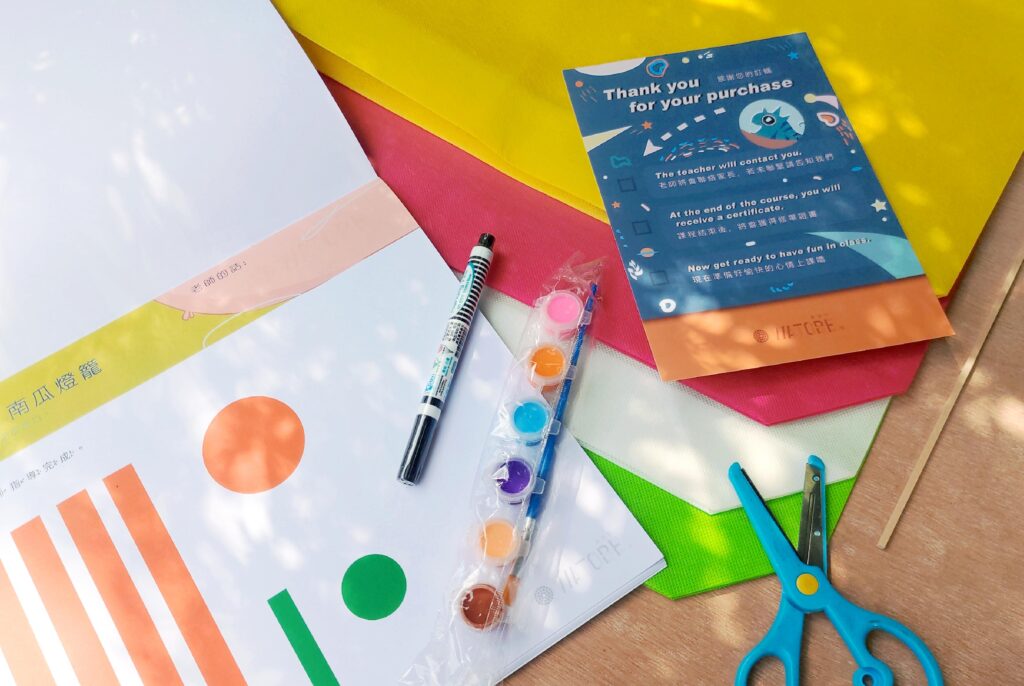
No. Standard art supplies suffice. WATOBE provides material lists and optional kits.
Q: Can siblings of different ages enroll together?
Yes—WATOBE’s flexible format allows different-aged siblings to participate side by side in tailored breakout lessons.
How to Enroll & Get Started
Visit WATOBE Online Art Lab’s website
Browse “Bilingual Art Courses” offerings
Choose the appropriate age/level track
Register for a free trial or introductory session
Gather recommended art materials (optionally using WATOBE’s kit)
Begin classes and practice language + art daily
Conclusion
Bilingual art courses represent a future-forward approach to education—one that recognizes how creativity and language support one another. WATOBE Online Art Lab embodies this vision by offering carefully designed bilingual art courses that help children become confident creators and communicators in two languages.
If you want your child to express with color, tell stories in dual languages, and grow culturally aware, WATOBE provides the ideal blend of art and language learning. Start their journey today—where brushes become bridges and every sketch speaks in more than one tongue.